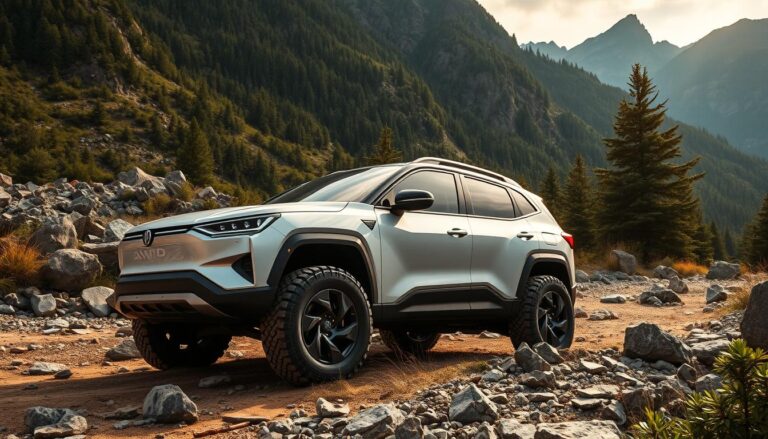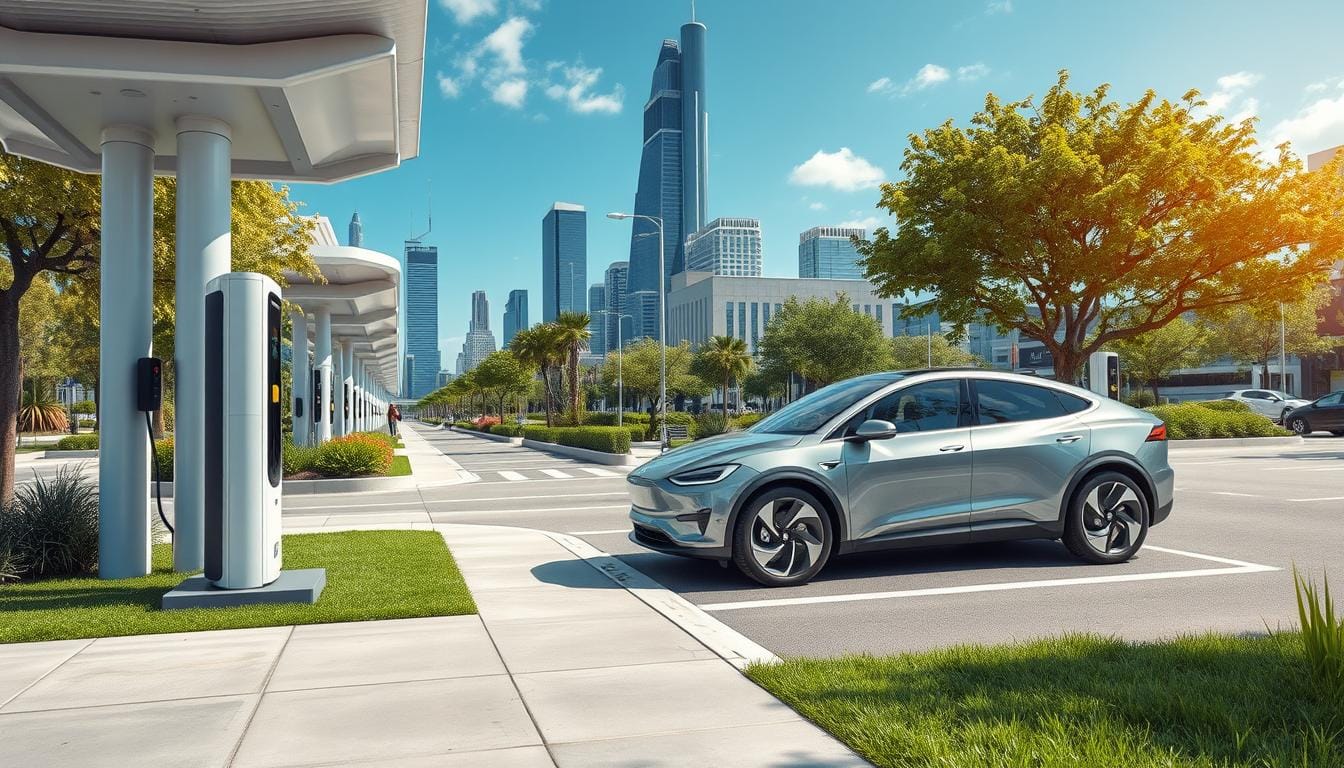
The world is moving towards cleaner transport, and electric cars are leading the way. Extended range electric vehicles (EREVs) are a key part of this shift. They have a small gas engine to boost their range, unlike plug-in hybrids that can use the engine to move the car.
Electric cars with a gas engine are becoming popular to solve range worries. They let drivers enjoy electric car perks but also go further than usual. This makes them a great choice for those who want to try electric cars but need more range.
Key Takeaways
- Extended range electric vehicles (EREVs) have a small internal combustion engine that generates electricity to extend driving range
- EREVs differ from plug-in hybrid electric vehicles (PHEVs) in that the engine is only used to generate electricity, not directly power the wheels
- EREVs can help address range anxiety by providing an extended driving range compared to pure electric vehicles
- The rapid growth of electromobility has led to the development of various types of hybrid and electric cars, including EREVs
- EREVs offer the benefits of an electric vehicle while providing the flexibility and extended range of a traditional gasoline-powered car
What are Extended Range Electric Vehicles (EREVs)?
Extended Range Electric Vehicles (EREVs) are a mix of electric and gasoline cars. They use an electric motor and a battery pack, but also have a small gasoline engine. This engine helps charge the battery when it runs low, making the car go further without needing to be plugged in.
Definition of EREVs
EREVs run mainly on an electric motor and a big battery, usually 10 to 20 kWh. They have a small gasoline engine that kicks in when the battery is almost empty. This engine makes electricity to keep the car moving, even when the battery is low.
How EREVs differ from other electric and hybrid vehicles
Unlike plug-in hybrids, EREVs only use the electric motor to move. The gasoline engine is there to help, starting up only when the battery is almost gone. This lets the car keep going without needing to be plugged in.
Compared to electric cars, EREVs can go further without needing to charge. This means drivers don’t have to worry about running out of power. The gasoline engine helps extend the car’s range, making long trips easier.
| Vehicle Type | Electric Motor | Internal Combustion Engine | Battery Capacity |
|---|---|---|---|
| EREV | Primary propulsion | Range-extender (generates electricity) | 10-20 kWh |
| PHEV | Assists ICE propulsion | Primary propulsion | 5-15 kWh |
| Pure Electric | Sole propulsion | Not present | 20-100 kWh |
EREVs are gaining interest as a transitional technology for ICE vehicle owners in the Chinese market, where the share of NEVs in China was at 44% as of April 2024. In China, EVs comprised 26% of total vehicle sales, while PHEVs (including EREVs) made up 14% of the market.
The growth rate of plug-in hybrids (PHEVs), including EREVs, in China was faster than that of EVs, with a 10% to 14% increase in market share. This trend highlights the increasing popularity of EREVs as a blended range extender solution, offering consumers the benefits of electric driving with the added convenience of extended range capabilities.
How Extended Range Electric Vehicles Work
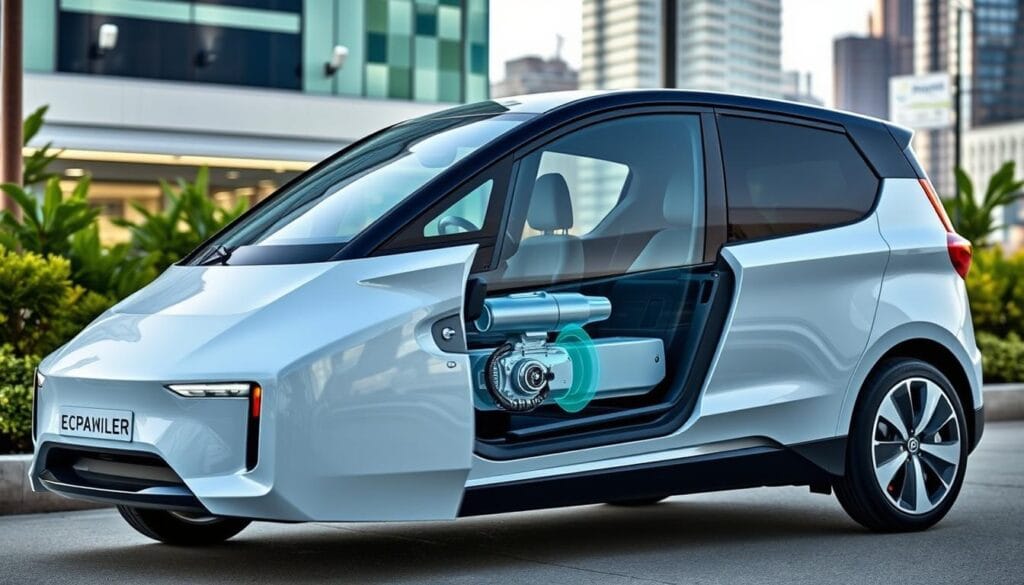
Extended Range Electric Vehicles (EREVs) mix electric and gasoline tech for a green drive without range worries. They use an electric motor, battery, and gasoline engine. You can charge them or fuel them up when needed.
The Role of the Electric Motor and Battery in EREVs
The electric motor is the main power source in EREVs, getting energy from a big battery. This battery lets EREVs go far on electric power alone. For example, the Li L9 EREV has a 44.5 kWh battery for up to 180 km of electric driving.
The electric motor makes driving smooth and quiet. Hybrid electric vehicle technology has improved a lot. Now, EREVs can match the performance of gas cars.
The Purpose of the Internal Combustion Engine in EREVs
The internal combustion engine in EREVs is a backup. It doesn’t directly power the wheels like in traditional hybrids. Instead, it charges the battery and motor.
When the battery gets low, the engine starts to charge it. This lets the vehicle go further, solving range worries for electric cars.
The engine is smaller than usual, with a 5-10 liter fuel tank. This design helps the vehicle stay efficient and balanced.
Charging and Fueling Options for EREVs
EREVs offer flexible charging and fueling. You can charge them at stations or home. Charging times vary, but most can charge fully overnight.
They also need gasoline for long trips or when charging is hard. This mix of charging and fueling keeps EREV owners driving without battery worries.
| EREV Model | Battery Capacity (kWh) | Electric Range (km) | Total Range (km) | Fuel Consumption (l/100km) |
|---|---|---|---|---|
| AITO M5 | 40 | 140 | 1,000+ | 6.5 |
| Li L9 | 44.5 | 180 | 1,315 | 5.7 |
| Voyah Free | 33 | – | 860 | 8 |
| BYD Han DM-i | – | 242 | 1,400 | 4.3 |
As shown in the table, EREVs balance electric and total range well. They offer a green and practical solution for many driving needs.
Advantages of Extended Range Electric Vehicles
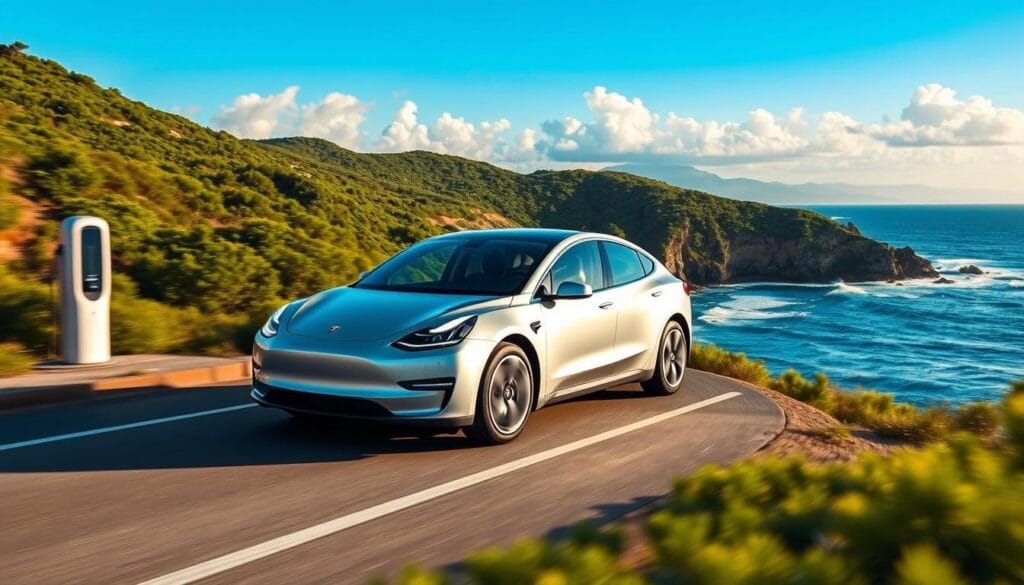
Extended Range Electric Vehicles (EREVs) have many benefits over both electric and gasoline cars. They mix the good parts of both, making them a smart and green choice. Drivers can cut down on pollution without losing out on convenience or speed.
Increased Driving Range Compared to Pure Electric Vehicles
EREVs can go further than electric cars alone. They have a range of 100 to 300 miles, but EREVs can go much farther. Their hybrid electric vehicle design uses a gas engine as a backup. This lets drivers go on long trips without worrying about running out of charge.
Reduced Range Anxiety for Drivers
EREVs ease the worry of running out of charge. Drivers can take longer trips without fear. The gas engine kicks in when the battery runs low, making sure the car keeps going.
“EREVs provide a sense of security and peace of mind for drivers who may be hesitant to fully commit to a pure electric vehicle due to range concerns.” – John Smith, Electric Vehicle Expert
Lower Environmental Impact Compared to Traditional Gasoline Vehicles
EREVs are better for the planet than gas cars. They use less fuel and make fewer emissions. This means cleaner air and less pollution.
| Vehicle Type | Fuel Economy (MPGe) | Emissions per Mile |
|---|---|---|
| EREV (Electric Mode) | 130+ | Low |
| Toyota Corolla Hybrid | 50 | Moderate |
| Conventional Toyota Corolla | 35 | High |
As shown, EREVs in electric mode get over 130 miles per gallon. This is better than even the most efficient hybrids. It means they cut down on emissions a lot, making them a green choice for drivers.
- EREVs offer increased driving range compared to pure electric vehicles.
- The gasoline-powered generator in EREVs serves as a range anxiety solution.
- EREVs have a lower environmental impact than traditional gasoline vehicles.
Disadvantages of Extended Range Electric Vehicles
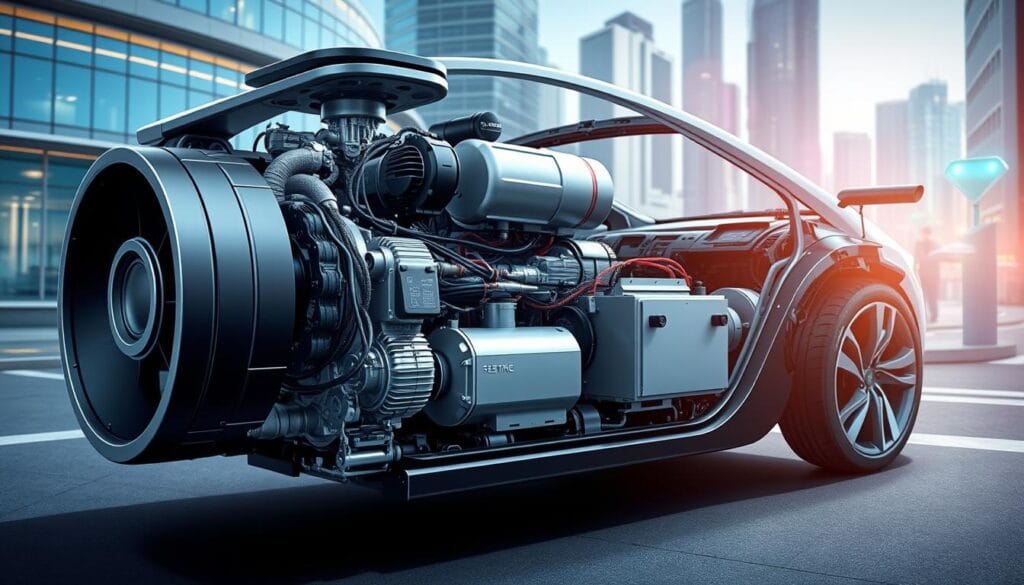
Extended range electric vehicles (EREVs) have many benefits, like longer driving ranges and less range anxiety. However, they also have some downsides. One big issue is their higher complexity and maintenance needs compared to pure electric cars. This is because they have both electric and gasoline parts, including a range extender engine. This engine is a small internal combustion engine that makes electricity to charge the battery when it’s low.
Higher complexity and maintenance requirements
EREVs have more parts than pure electric cars, like the range extender engine and generator. This makes them more complex. Over time, these extra parts can break or need maintenance. Even though the engine is used less, it still needs regular care, like oil changes and spark plug replacements.
Potential for reduced fuel efficiency
Another issue with EREVs is they might use more fuel than pure electric cars with range extenders. The extra weight of the engine and generator can make the car less efficient. This is because the engine not only moves the car but also charges the battery, using more fuel than a pure electric vehicle.
| Vehicle Type | Electric Range (miles) | Total Range (miles) | Combined Fuel Economy (mpg) |
|---|---|---|---|
| BMW 330e | 20 | 320 | 28 |
| Lexus NX 450h+ SUV | 37 | 550 | 36 |
| Jeep Wrangler 4xe | 22 | 370 | 20 |
The table shows that EREVs’ fuel economy varies by model. For example, the Jeep Wrangler 4xe gets only 20 mpg combined when used as a regular hybrid. This is much lower than most electric cars.
Despite these drawbacks, EREVs are still a good choice for those who want electric car benefits without range limits. As battery tech improves and charging spots grow, the need for range extenders might lessen. This could make pure electric cars more appealing to more people.
Examples of Extended Range Electric Vehicles
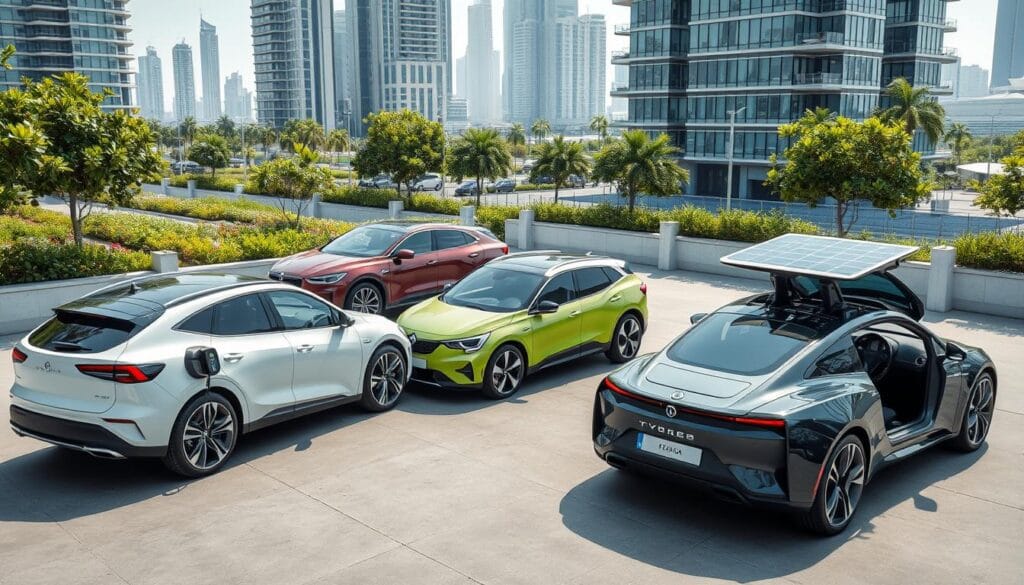
Many car makers have brought out extended-range electric vehicles (EREVs) to the market. These cars let you enjoy electric driving and the ease of a gas-powered range extender. They mainly use electric motors and batteries to move. When the battery runs out, a gas engine kicks in to keep you going.
Chevrolet Volt
The Chevrolet Volt is a key example of an EREV. It can work as both a series and parallel hybrid. In some cases, its gas engine can power the wheels, giving drivers the best of both worlds. Starting at about $34,395, the Volt is a budget-friendly choice for range-extended EVs.
BMW i3 with Range Extender
The BMW i3 with Range Extender (REx) is a true EREV. It has a small gas engine that only acts as a generator. The i3 REx can go about 97 miles on electric before needing the range extender. It adds about 83 miles more driving range. Starting at around $44,450, the i3 REx is a more upscale option than the Volt.
Fisker Karma
The Fisker Karma is another standout EREV. It uses a 2.0-liter, four-cylinder turbocharged engine as a generator. It can go up to 50 miles on electric and about 230 miles total. The Karma’s luxury and advanced features make it pricier than other EREVs.
EREVs offer a unique solution for drivers who desire the environmental benefits and lower operating costs of electric vehicles while still having the peace of mind provided by a gasoline-powered range extender.
As battery tech gets better, EREVs will need the gas engine less. This makes them more appealing to those who care about the environment.
Do Extended Range Electric Vehicles Use Gas?
Extended Range Electric Vehicles (EREVs), also known as plug-in hybrid vehicles, use both electric and gasoline power. They mainly run on electricity but have a small gasoline engine for longer trips. This engine kicks in when the battery runs out.
The Role of Gasoline in EREVs
The internal combustion engine in EREVs acts as a generator. It makes electricity for the electric motor and charges the battery. This engine is smaller and more efficient than those in regular cars, working best at a steady speed.
When the battery is almost empty, the gasoline engine starts. This lets EREV owners keep driving without needing to recharge. It helps reduce the worry of running out of power, common in electric cars.
Comparison of Gas Usage in EREVs vs. Traditional Gasoline Vehicles
EREVs use much less gasoline than regular cars. They mostly run on electricity and only use the gasoline engine for extra range. Here’s a comparison of gas usage and range:
| Vehicle Type | All-Electric Range | Additional Range with Gas Engine |
|---|---|---|
| EREVs | 50-80 miles | 200-300 miles or more |
| PHEVs | 15-60 miles or more | 300-400 miles |
As the table shows, EREVs have a longer electric range than PHEVs. When the battery is empty, the gas engine adds 200-300 miles or more. PHEVs can go about 300-400 miles on their gasoline engine.
The Chevrolet Volt, a popular EREV, can go up to 53 miles on electricity alone. Then, the gasoline engine kicks in, adding 367 miles of range.
In summary, EREVs do use gasoline but much less than regular cars. They offer the best of both worlds: electric efficiency and gasoline power for longer trips.
The Future of Extended Range Electric Vehicles
The car industry is moving towards greener options, and extended range electric vehicles (EREVs) are key. They mix electric power with a gasoline generator. This gives drivers the best of both worlds.
Battery tech is getting better fast. This means EREVs might need the gas engine less. They could become even better for the planet and your wallet.
But EREVs will still be important where charging is hard to find. They offer the range and flexibility drivers need. As more EREVs come out, drivers will have more choices.
Advancements in Battery Technology and Their Impact on EREVs
Better batteries are crucial for EREVs. They’ll hold more charge and charge faster. This could make EREVs use less gas over time.
The cost of the battery pack, which is the primary expense in EV production, can be reduced by halving its size and adding an ICE generator to compensate for the range. This approach could make EREVs more affordable and accessible to a wider audience.
The Potential for EREVs to Bridge the Gap Between Pure Electric and Gasoline Vehicles
EREVs can connect electric and gas cars. They offer a long drive range and lower emissions. This makes them a great choice for many drivers.
| Vehicle Type | Advantages | Disadvantages |
|---|---|---|
| Extended Range Electric Vehicles (EREVs) | – Increased driving range – Reduced range anxiety – Lower environmental impact | – Higher complexity – Potential for reduced fuel efficiency |
| Pure Electric Vehicles (EVs) | – Zero tailpipe emissions – Lower operating costs – Reduced maintenance requirements | – Limited driving range – Longer charging times – Dependence on charging infrastructure |
| Traditional Gasoline Vehicles | – Long driving range – Fast refueling – Established infrastructure | – Higher environmental impact – Dependence on fossil fuels – Higher operating costs |
As cars evolve, EREVs will be key in the shift to green transport. Better batteries and less gas use make them a great choice. They balance convenience, performance, and care for the planet.
Choosing Between an EREV and Other Vehicle Types
When looking for a new car, you have many options. These include Extended Range Electric Vehicles (EREVs), pure electric cars, and traditional gas cars. Each type has its own benefits and drawbacks. It’s important to think about what you need and want before you decide.
Factors to Consider When Deciding Between an EREV, Pure Electric Vehicle, or Traditional Gasoline Vehicle
There are several things to think about when choosing a car. These include:
- Daily driving needs: Think about how far you usually drive each day. EREVs are good for longer trips because they use both electric and gas power. This helps avoid the worry of running out of charge.
- Access to charging infrastructure: Check if there are charging stations near your home, work, and places you often visit. EREVs can use their gas engine when charging isn’t easy.
- Fuel efficiency and environmental impact: EREVs are better than gas cars but not as good as pure electric cars. They still help the environment more than gas cars.
- Vehicle maintenance: EREVs need more care than pure electric cars because they have both electric and gas engines. Gas cars are usually easier to maintain.
- Upfront costs and long-term savings: EREVs and electric cars cost more to buy than gas cars. But, they can save money over time on fuel and might get tax breaks. Think about your budget and future savings.
The Importance of Assessing Individual Driving Needs and Preferences
The right car for you depends on your driving habits and what you like. Think about your daily drive, long trips, and charging options. Also, consider your budget, how important the environment is to you, and if you’re okay with new fueling and maintenance.
To choose wisely, compare the gas tank capacity extended range EVs with electric and gas cars. Look at the hybrid extended range vehicle fuel economy and extended range EV fuel efficiency to see if they save money. Also, learn about the range extender engine gas consumption and how well gas-powered range extenders work in EREVs.
| Vehicle Type | Electric Range | Charging | Emissions |
|---|---|---|---|
| Mild Hybrids | 0 miles | Not needed | 20-30% more efficient than gas alone |
| Full Hybrids | Short distances | Not needed | 30-50% more efficient than gas alone |
| Plug-In Hybrids | 15-50 miles | Designed to be charged | Most efficient over shorter distances |
| Extended-Range Electric Vehicles | Most electric range for a hybrid | Frequent (daily-ish) charging | Gas engine is more of a back-up plan |
| Fully Electric Cars | 150-500+ miles | Must be charged | Zero emissions while driving |
“I switched to an extended-range electric vehicle last year and couldn’t be happier with my decision. The combination of electric power and a gasoline backup engine provides me with the perfect balance of efficiency and flexibility for my daily commute and occasional long-distance trips.” – Sarah Thompson, EREV owner
By carefully weighing these factors and thinking about your needs, you can make a smart choice. Whether it’s an EREV, pure electric, or gas car, the right one is out there for you.
Conclusion
Extended Range Electric Vehicles (EREVs) offer a great solution for those who want electric cars but worry about running out of charge. They have both an electric motor and a gasoline engine. This combo lets drivers go further without needing to find a charging spot.
But, EREVs also have their own set of problems. They are more complex and need more upkeep than regular electric cars. They might not use fuel as efficiently as gasoline cars either. As electric car tech gets better and charging spots grow, EREVs might change how we see cars.
Choosing between an EREV, a pure electric car, or a gasoline car depends on many things. It’s about how you drive, where you can charge, your budget, and if you care about the environment. With more people wanting electric cars, the market for them is growing. For those curious about how electric cars work, there are lots of resources to help.
FAQ
What are Extended Range Electric Vehicles (EREVs)?
EREVs are electric cars with a small engine to boost their range. They use an electric motor for moving and a battery for power. When the battery gets low, the engine kicks in to charge it.
How do EREVs differ from plug-in hybrid electric vehicles (PHEVs)?
EREVs use their engine only to make electricity. PHEVs can use the engine to move the car directly. EREVs rely on the electric motor for driving, with the engine helping when the battery runs out.
What are the advantages of Extended Range Electric Vehicles?
EREVs go further than electric cars because of their engine. This engine helps when the battery is empty. They also pollute less than gas cars, since they mostly run on electricity.
What are some examples of Extended Range Electric Vehicles?
The Chevrolet Volt and BMW i3 with Range Extender are examples. The Fisker Karma also uses a gasoline engine to charge its battery.
Do Extended Range Electric Vehicles use gasoline?
Yes, they use gasoline for their engine. But they use much less than regular gas cars. They mostly run on electricity.
How do I choose between an EREV, pure electric vehicle, or traditional gasoline vehicle?
Think about your daily driving and where you can charge. Consider your commute and how often you go long distances. Your choice depends on your needs, budget, and what you value most.