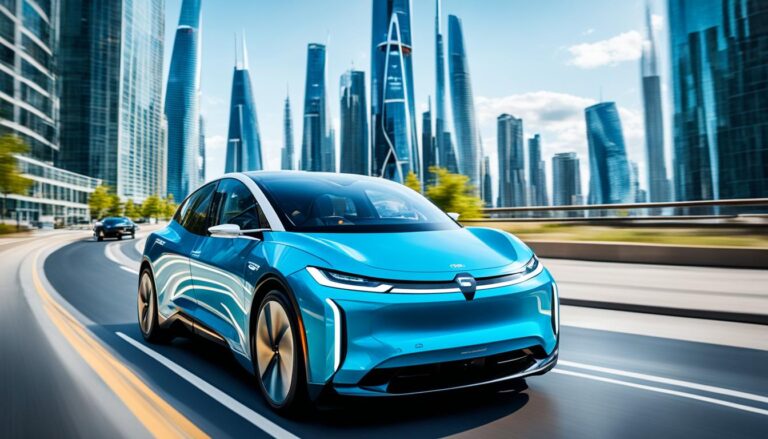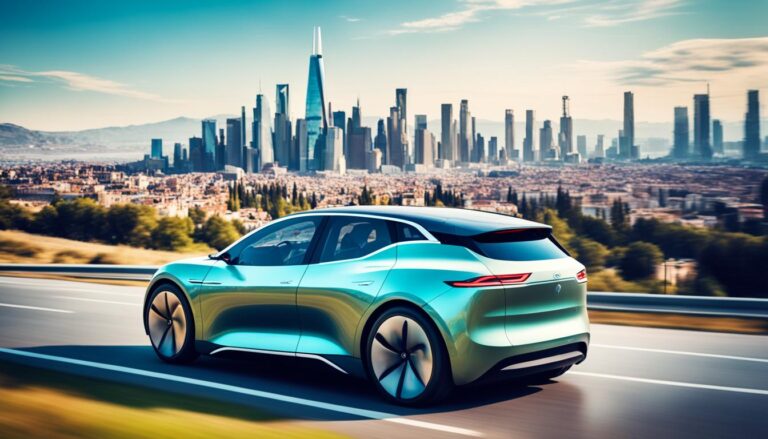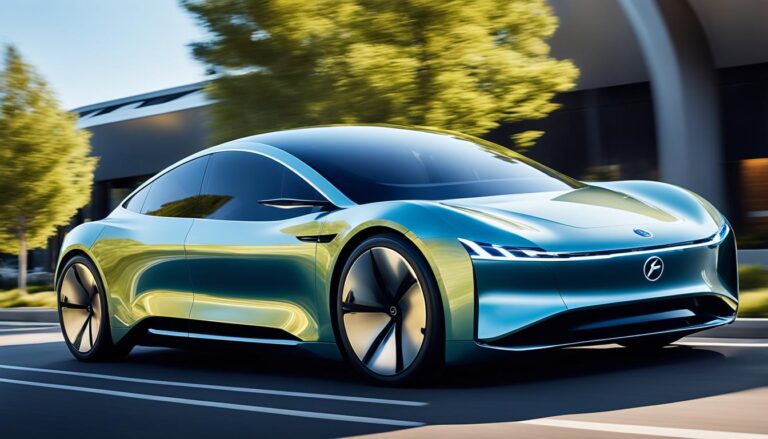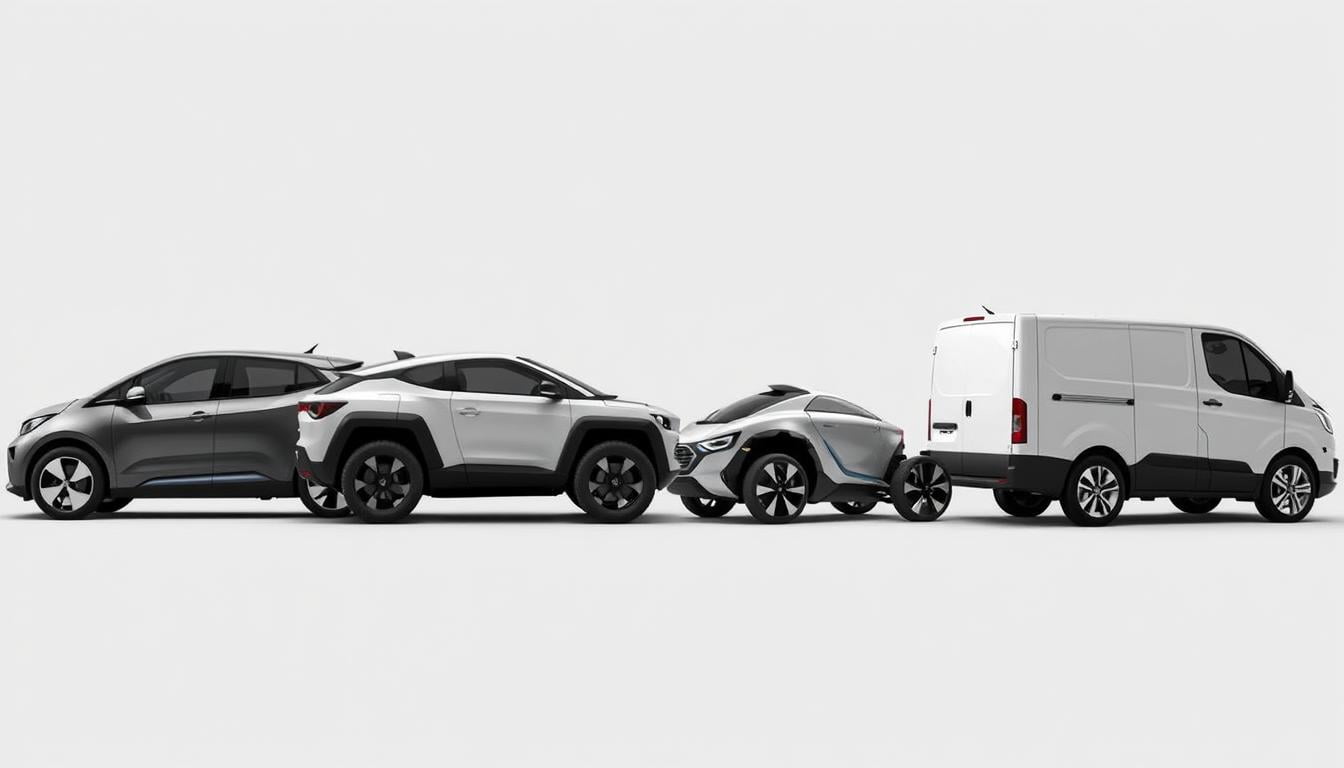
More people are becoming eco-friendly and want to cut down on carbon emissions. Electric vehicles (EVs) are getting more popular. There are many types, like battery electric vehicles (BEVs), plug-in hybrid electric vehicles (PHEVs), hybrid electric vehicles (HEVs), and fuel cell electric vehicles (FCEVs). This guide will help you see the main differences between these electric cars and hybrid vehicles. This way, you can choose the best one for you.
In 2023, electric vehicles made up 16% of new car sales in the U.S., with about 2.4 million BEVs on the roads. These cars can go 100 to 300 miles on one charge and have fewer parts than traditional cars. Prices for BEVs range from $30,000 to $100,000, but some popular models start under $40,000, making them more affordable.
For those wanting both electric and traditional power, PHEVs and HEVs are good choices. PHEVs cost about $25,000 to $35,000 and give you both electric and gas options. HEVs, being the early eco-friendly cars, are priced under $25,000. FCEVs are less common but offer over 300 miles of range with no emissions.
Key Takeaways
- Electric vehicles are becoming more popular, with many types like BEVs, PHEVs, HEVs, and FCEVs.
- BEVs make up a big part of new car sales in the U.S. and can go 100 to 300 miles on one charge.
- PHEVs and HEVs offer a mix of electric and traditional power at lower prices than BEVs.
- FCEVs can go over 300 miles with no emissions but are not as common in the U.S.
- Knowing the differences between electric vehicle types helps consumers make better choices for their needs and likes.
Introduction to Electric Vehicles
Electric vehicles (EVs) are changing the car industry. They offer a cleaner, more efficient choice than traditional cars. As people care more about the planet, EVs are becoming more popular. In the U.S., EV sales could make up 16% of all new cars by 2023.
The Rise of EVs in the Automotive Industry
The car industry is changing fast as EVs become more popular. Big car companies are making more EV models because people want eco-friendly cars. This change is thanks to better battery technology, making EVs go farther and cost less.
More people are choosing EVs because there are more models to pick from and charging spots are getting better. This is making the car industry move towards electric cars in the future.
Benefits of Owning an Electric Vehicle
EVs have many benefits, not just for the planet. They beat traditional cars in several ways, including:
- Lower fuel costs: Electricity is cheaper than gasoline, saving you money over time.
- Reduced emissions: EVs don’t emit pollutants, helping the air quality and cutting down on greenhouse gases.
- Lower maintenance costs: With fewer parts, EVs cost less to maintain and repair.
- Smooth and quiet driving experience: Electric motors give you quick power and a quieter ride than gas engines.
- Government incentives: Many governments offer money back to encourage people to buy EVs.
| Benefit | Description |
|---|---|
| Lower fuel costs | Electricity is cheaper than gasoline, resulting in significant savings on fuel expenses |
| Reduced emissions | EVs produce zero tailpipe emissions, contributing to improved air quality and reduced greenhouse gas emissions |
| Lower maintenance costs | Fewer moving parts in EVs lead to lower maintenance and repair costs compared to traditional vehicles |
| Smooth and quiet driving | Electric motors provide instant torque for smooth acceleration and a quieter ride |
| Government incentives | Tax credits, rebates, and other incentives are available to encourage EV adoption |
As we move towards a greener future, electric vehicles will be key in cutting down on fossil fuel use and lowering transport’s environmental impact. With so many benefits, it’s clear why more people are switching to EVs.
Battery Electric Vehicles (BEVs)
Battery electric vehicles (BEVs) run only on electricity and don’t emit any tailpipe pollution. They are getting more popular, with models like the Tesla Model 3 and Chevy Bolt leading the way. By September 2016, over a million highway-capable electric cars were sold worldwide, showing how much people want them.
How BEVs Work
BEVs use rechargeable batteries to power an electric motor, which moves the car. These batteries are made with advanced lithium-ion materials, giving them a long range and high efficiency. Over 80% of the energy in BEVs is used for driving, making them much more efficient than cars with traditional engines.
BEVs also have regenerative braking, which saves energy during braking and adds it to the battery. This makes the car more efficient and can increase its range. Most electric cars can go about 300 miles on a full charge, with some like the Tesla Model S going over 400 miles.
Advantages of Battery Electric Vehicles
BEVs don’t need gasoline or diesel, so they don’t emit pollution. This helps fight climate change and makes driving quieter and smoother. The electric motor gives instant power, unlike traditional cars.
BEVs cost less to run than cars with engines. They use cheaper electricity and have fewer parts, which means less maintenance. Governments also offer incentives and tax credits for buying electric cars, making them more affordable.
Popular BEV Models on the Market
Many BEV models are popular now. The Tesla Model 3 is the best-selling electric car, with over 645,000 sold by October 2020. Other top models include:
- Nissan Leaf
- Chevy Bolt
- Tesla Model S
- Tesla Model X
- Ford Mustang Mach-E
- Volkswagen ID.4
Here’s a table showing the range and battery size of some popular BEVs:
| Model | Driving Range (miles) | Battery Capacity (kWh) |
|---|---|---|
| Tesla Model 3 | 263 – 353 | 50 – 75 |
| Chevy Bolt | 259 | 66 |
| Nissan Leaf | 149 – 226 | 40 – 62 |
| Ford Mustang Mach-E | 211 – 305 | 68 – 88 |
As battery technology gets better and charging spots grow, more people will start using BEVs. To learn more about electric vehicles, check out our guide on EVs.
Plug-in Hybrid Electric Vehicles (PHEVs)
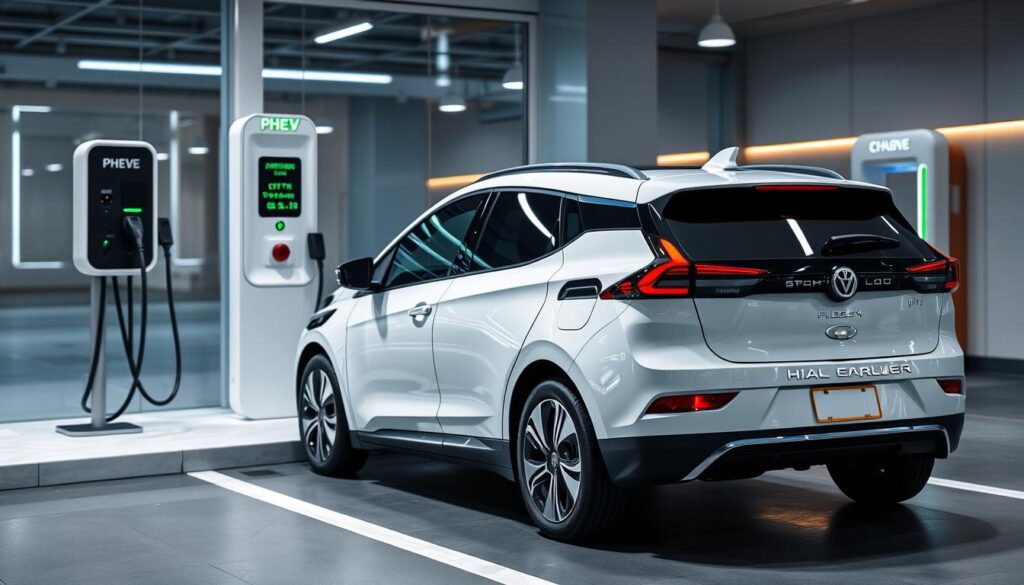
PHEVs combine electric and combustion power for the best driving experience. They have an electric motor, an internal combustion engine, and a big battery pack. This lets them go 10 to 40 miles on electric power before using the gas engine. This makes their total range longer.
Combining Electric and Combustion Power
PHEVs use the electric motor for most driving, with the gas engine for longer trips. This means they can go electric for daily tasks and still have the gas engine for longer drives. The switch between electric and gas power is smooth, making driving easy.
PHEVs can recharge their battery through regenerative braking and charging at home or at EVgo stations. Regenerative braking captures energy lost when slowing down and adds it to the battery. Charging at home during off-peak hours can save money.
Charging and Range of PHEVs
Most PHEVs work with Level 1 and Level 2 chargers, like those at EVgo stations. But they don’t support fast charging like fully electric cars. Once the battery runs out, they switch to hybrid mode, using the gas engine for longer trips.
| Charging Level | Charging Time | Compatible with PHEVs |
|---|---|---|
| Level 1 (120V) | 8-12 hours | Yes |
| Level 2 (240V) | 2-4 hours | Yes |
| DC Fast Charging | 30-60 minutes | No |
PHEVs can go from 15 to over 60 miles on electric power, depending on the model. The actual fuel use depends on how far you drive between charges. Using electric mode more can cut down on fuel use and emissions.
PHEVs are pricier than regular cars but can save money on fuel and get tax credits. More PHEVs for work and personal use are coming, offering more choices for those who want to be eco-friendly.
Hybrid Electric Vehicles (HEVs)
Hybrid Electric Vehicles (HEVs) have led the way in making cars more eco-friendly. They mix an electric motor’s efficiency with an internal combustion engine’s reliability. Since the late 1990s, HEVs have become very popular. The Toyota Prius is the top-selling hybrid car, with over 5 million units sold by September 2022.
The Pioneer of Eco-Friendly Cars
HEVs started the green car movement, showing us a future with fewer emissions. By April 2020, over 17 million hybrid electric vehicles were sold worldwide since 1997. Japan loves HEVs the most, with 7.5 million hybrids on its roads by March 2018, making up 19.0% of all cars.
HEVs are great because they save fuel and cut costs without losing performance. They use regenerative braking to capture energy and store it for later. This makes them more efficient than traditional cars.
How HEVs Differ from Other EVs
HEVs, PHEVs, and BEVs are all electric vehicles, but they’re not the same. HEVs don’t need charging from outside because they use their engines and brakes to charge the battery. They can’t run on electric alone once the battery runs out, unlike PHEVs.
Still, many people choose HEVs to help the planet and save money on gas. Toyota has sold over 15 million hybrids by January 2020. Honda has sold more than 1.35 million hybrids by June 2014.
| Region | Cumulative HEV Sales |
|---|---|
| Worldwide | Over 17 million (as of April 2020) |
| Japan | 7.5 million (as of March 2018) |
| United States | 5.8 million (as of December 2020) |
| Europe | 3.0 million (since 2000) |
HEVs are key to a greener future in transportation. They offer efficiency, performance, and convenience. With new tech and more people learning about them, HEVs are set to grow even more. For more info on HEVs and a greener future, EVNextGen is a great place to start.
Fuel Cell Electric Vehicles (FCEVs)
Fuel Cell Electric Vehicles (FCEVs) use hydrogen fuel cells to make electricity, which powers an electric motor. They don’t need charging like other EVs; they use hydrogen as their fuel. When hydrogen and oxygen mix in the fuel cell, they create electricity, leaving only water vapor and heat behind. This makes FCEVs a zero-emissions way to travel.
The strength and speed of an FCEV depend on its electric motor size and how much electricity the fuel cell can make. They also have a small battery for extra power during quick starts and to capture energy from braking. This mix of fuel cell and battery makes driving smooth and steady.
Refueling an FCEV is quick, taking only 3-5 minutes at a hydrogen station. This is much faster than charging a Battery Electric Vehicle. FCEVs can go 300-400 miles on one tank of hydrogen, perfect for long trips without stopping often.
Even with their benefits, FCEVs are not yet widely used. The main issue is the lack of hydrogen stations. Companies like Toyota and Hyundai are working on FCEVs, but there aren’t enough stations yet. Also, making and spreading hydrogen is still expensive, which affects how much FCEVs cost to own.
To help more people use FCEVs, some governments offer money back. In California, you can get a $4,500 rebate ($7,500 if you qualify) for a fuel cell car. Some car makers also offer special lease deals that include free hydrogen for three years, making them more affordable.
| Component | Function |
|---|---|
| Fuel Cell Stack | Generates electricity through a chemical reaction between hydrogen and oxygen |
| Hydrogen Fuel Tank | Stores pressurized hydrogen gas onboard the vehicle |
| Electric Motor | Propels the vehicle using electricity generated by the fuel cell |
| Power Electronics Controller | Manages the flow of electrical energy from the fuel cell and traction battery |
| Thermal System | Maintains proper operating temperature for fuel cell, electric motor, and power electronics |
| Transmission | Transfers power from the electric traction motor to drive the wheels |
FCEVs could be a big part of the move to cleaner transport as we aim to cut down on greenhouse gases. Groups like the California Hydrogen Business Council are pushing for more hydrogen and fuel cell use. They’re working towards a greener future.
Types of Electric Vehicles: A Comprehensive Overview
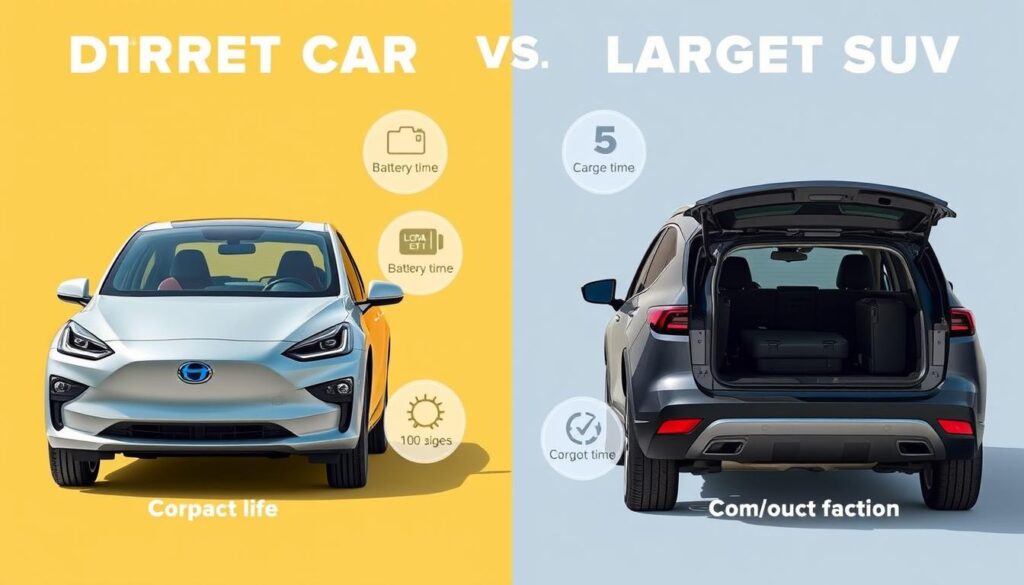
The car industry is changing fast, making it key to know about electric vehicle types. You can choose from Battery Electric Vehicles (BEVs), Plug-in Hybrid Electric Vehicles (PHEVs), Hybrid Electric Vehicles (HEVs), and Fuel Cell Electric Vehicles (FCEVs). We’ll look at each type’s main features to help you pick the right one for your needs.
Comparing BEVs, PHEVs, HEVs, and FCEVs
When comparing electric vehicles, it’s vital to know the differences. BEVs, like the Tesla Model X, run only on electricity from big batteries. They can go 300-500+ km on one charge. PHEVs, such as the Mitsubishi Outlander PHEV GSR, mix an electric motor with a gas engine. They can go about 60 km on electric before using the gas engine.
HEVs, seen in the Toyota RAV4 Hybrid, use both electric and gas power but can’t be plugged in. FCEVs, though rare, use hydrogen to make electricity, leaving only water vapor behind.
| Electric Vehicle Type | Driving Range | Emissions | Refueling/Charging | Maintenance |
|---|---|---|---|---|
| BEV | 300-500+ km | Zero tailpipe emissions | Charging at home or public stations | Lower servicing costs, fewer moving parts |
| PHEV | 60 km electric + ICE range | Higher emissions in ICE mode | Plugging in more often, petrol as backup | Less efficient due to dual drive systems |
| HEV | Similar to traditional vehicles | Lower emissions than conventional cars | Refueling at petrol stations | Similar to conventional vehicles |
| FCEV | 400-600 km | Zero tailpipe emissions (water vapor) | Hydrogen refueling stations | Fewer moving parts, but fuel cell maintenance |
Choosing the Right EV for Your Needs
When picking an electric vehicle, think about what you need and like. Look at how far you drive daily and if you can charge at home or work. If you drive short distances and have charging spots nearby, a BEV might be best. It charges overnight and has no tailpipe emissions.
But if you drive long distances or have few charging spots, a PHEV could be better. It lets you use petrol for longer trips.
Also, think about your budget when choosing an electric vehicle. BEVs cost more upfront but save on fuel and maintenance over time. Government incentives and tax credits can also make BEVs more affordable.
Charging Infrastructure for Electric Vehicles
The number of electric vehicles (EVs) on U.S. roads is growing fast, with predictions of 26.4 million by 2030. This growth means we need more charging stations. We’ll need 12.9 million charge ports and 140,000 DC fast charging ports across the country. Right now, there are 161,562 public and private EV charging ports, with about 6,409 DC fast charging stations.
EV owners have three main ways to charge their cars: Level 1, Level 2, and DC fast charging. It’s important to know the differences for both home and public charging.
Level 1, Level 2, and DC Fast Charging
Level 1 charging uses a standard 120-volt socket and is the slowest method. It takes 40-50+ hours to fully charge a battery electric vehicle (BEV) and 5-6 hours for a plug-in hybrid electric vehicle (PHEV). Level 1 chargers add up to 5 miles of range per hour.
Level 2 charging needs an adapted home socket or a dedicated EV charging station, using 240 volts. It’s faster than Level 1, taking 4-10 hours to fully charge a BEV and 1-2 hours for a PHEV. Level 2 chargers give about 25 miles of range per hour. Adding more amps at 240 volts gives around 10 miles of range per hour.
DC fast charging, or Level 3, is the fastest option, found at commercial EV charging stations. It can charge an EV to 80% in 20 to 30 minutes, adding up to 250 miles of range per hour. DC fast charging can charge in 20 minutes to 1 hour, giving 180-240 miles of range.
| Charging Level | Voltage | BEV Charging Time | PHEV Charging Time | Range per Hour |
|---|---|---|---|---|
| Level 1 | 120V | 40-50+ hours | 5-6 hours | Up to 5 miles |
| Level 2 | 240V | 4-10 hours | 1-2 hours | Average 25 miles |
| DC Fast Charging (Level 3) | 480V+ | 20 minutes to 1 hour (up to 80%) | N/A | Up to 250 miles |
Home and Public Charging Options
Charging at home is a great option for EV owners. They can charge their cars overnight using Level 1 or Level 2 charging. Level 2 home chargers are getting popular because they charge faster and are easy to install by an electrician.
Public charging stations offer Level 2 and DC fast charging. They help drivers charge their EVs while on the move. These stations are key for longer trips and easing range anxiety. But, not all areas have these stations, especially in lower-income communities. A 2023 Autolist survey found that only one-third of those earning under $30,000 have EV charging in their area.
Not all EV models work with fast charging connectors. For example, Tesla’s DC fast chargers and Superchargers are just for Tesla cars. CCS fast chargers work with BMW, Volkswagen, and General Motors EVs. CHAdeMO fast chargers are for Nissan, Mitsubishi, and some Kia EVs, and Tesla EVs with a Tesla CHAdeMO adapter.
As more people adopt EVs, we need to invest in charging infrastructure. This includes both home and public stations. Making sure everyone has access to charging stations is key for widespread EV adoption.
Environmental Impact of Electric Vehicles
Electric vehicles (EVs) are becoming a key solution for sustainable transport. They offer a big advantage over traditional cars by cutting down on greenhouse gas emissions. This helps reduce the environmental impact of how we travel.
In the U.S., transportation uses about 30% of our energy and 70% of our petroleum. Switching to electric vehicles can greatly lessen our dependence on fossil fuels. It also cuts down the carbon footprint of transport.
Reducing Greenhouse Gas Emissions
EVs can cut greenhouse gas emissions a lot compared to gasoline cars. All-electric vehicles don’t emit any tailpipe pollution. Plug-in hybrids don’t emit pollution when running on electric power. This makes EVs a big step towards cleaner air in cities and less health problems from pollution.
The impact of EVs on the environment depends on the source of the electricity used to charge them. If charged by clean energy like solar or wind, EVs have even more benefits. As our energy grids get cleaner and use more renewable energy, charging EVs will keep getting better for the planet.
| Vehicle Type | Tailpipe Emissions |
|---|---|
| All-Electric Vehicles (BEVs) | Zero |
| Plug-in Hybrid Electric Vehicles (PHEVs) | Zero (in all-electric mode) |
| Hybrid Electric Vehicles (HEVs) | Reduced |
| Gasoline-Powered Vehicles | Significant |
The Role of EVs in Combating Climate Change
EVs are key in fighting climate change. As more people use EVs and charging spots grow, we’ll see a big drop in emissions. Governments and car makers are setting big goals for EV use, seeing its role in fighting climate change.
California wants all new cars and trucks to be zero-emission by 2035, mainly electric. The U.S. government aims for half of all vehicles sold to be zero-emission by 2030. These plans show a big push for less emissions and more clean energy in transport.
In conclusion, electric vehicles can greatly reduce greenhouse gas emissions and help fight climate change. As technology gets better and charging spots grow, EVs will keep getting more important for a green transport future.
Cost and Incentives for Electric Vehicle Ownership
Thinking about switching to an electric vehicle (EV)? Many people worry about the cost upfront. But, the initial price is often higher than traditional cars. Yet, the long-term savings and government incentives can make EVs a smart choice for those watching their budget.
Initial Purchase Price and Long-Term Savings
The price of electric vehicles is dropping as battery technology gets better and production grows. EV batteries have seen a nearly 90% price drop since 2010. This makes EVs more affordable than ever.
EV drivers save between $800 and $1,000 a year on fuel compared to gas cars. Over 15 years, this could save up to $14,480 in states like Washington. EVs also cost about half as much to maintain as gas cars, saving an average of $4,600 over the life of the vehicle. With only 1.5% of EV batteries needing replacement, and most replacements under warranty, EVs are becoming a cost-effective choice.
| Cost Comparison | Electric Vehicles | Gas Vehicles |
|---|---|---|
| Annual Fuel Savings | $800 – $1,000 | – |
| Lifetime Maintenance Savings | $4,600 | – |
| Battery Replacement Rate | 1.5% | N/A |
Government Incentives and Tax Credits
The US government offers a tax credit of up to $7,500 for buying a new EV. In 2023, there’s also a credit for used EVs, up to $4,000 or 30% of the vehicle cost. These credits can help lower the cost of owning an EV.
Many states also offer incentives for EVs, like tax rebates and low-cost electricity rates. For example, California gives up to $9,500 in discounts to low-income drivers for a new or used EV. With federal and state incentives, EVs become a great choice for those looking to save money.
As more people buy plug-in hybrids and battery electric vehicles, the cost of owning an EV is expected to go down. With affordable options like leases starting at $11 per day and used EVs for $10,000 or less, electric vehicles are becoming a smart and eco-friendly choice for Americans.
The Future of Electric Vehicles
The future of electric vehicles is bright, thanks to tech advancements, growing interest, and government support. In 2021, electric vehicle sales jumped to nearly 6.6 million units, making up almost 9% of all car sales. This number is expected to keep rising, with predictions that electric vehicles could be 20% of new car sales by 2025 and 40% by 2030.
More car makers are turning to electric power, offering more EV models to buyers. True Car predicts over 100 electric vehicle models by the end of 2024. This will lead to more affordable options, making EVs available to more people.
Improvements in EV technology, like better batteries, will be key to the future of electric vehicles. Better batteries mean longer ranges, faster charging, and lower costs. As charging spots grow and get easier to use, worries about range will fade, making EVs more appealing.
| Year | Projected EV Market Share |
|---|---|
| 2025 | 20% of new car sales |
| 2030 | 40% of new car sales |
| 2040 | Nearly all new car sales |
Government support and policies will help make electric vehicles more popular. Laws in some states require new cars to be electric by 2035, and more might follow. Financial incentives like tax credits will also push people towards electric cars.
Electric vehicle sales are growing fast, with a 21.7% annual growth rate. By 2030, sales could hit 39.21 million units, up from 8.1 million in 2021. This growth will be backed by more charging stations, with 38,000 planned in the U.S. over four years.
The electric vehicle market isn’t just for cars; electric SUVs, crossovers, and trucks are also on the rise. Models like the Ford F-150 Lightning and Tesla Cybertruck offer more choices for buyers. This means more people can find an electric vehicle that fits their life.
As technology gets better, more people are interested, and governments support it, electric vehicles are set to change the future. They will not only change the car industry but also help fight climate change. This will make the future cleaner and greener for all of us.
Conclusion
There are many types of electric vehicles available today. Each has its own benefits and things to consider. Battery Electric Vehicles (BEVs) have zero emissions and are low maintenance. Plug-in Hybrid Electric Vehicles (PHEVs) offer better fuel efficiency and longer ranges.
Hybrid Electric Vehicles (HEVs) were the first eco-friendly cars. Fuel Cell Electric Vehicles (FCEVs) use hydrogen fuel cells and don’t produce emissions.
Electric vehicles have a big impact on the environment. They cut down on greenhouse gas emissions and support sustainable energy. This helps fight climate change. Plus, owning an EV can save you money over time because of lower operating costs and government incentives.
As charging stations grow and EV technology gets better, electric cars are set to dominate the future of transportation. More affordable models are coming out, and people are learning about the perks of EVs. Switching to an electric vehicle means you’re helping make the planet cleaner and greener. You’ll also enjoy a quieter, smoother ride.
FAQ
What are the main types of electric vehicles?
Electric vehicles come in several types. These include Battery Electric Vehicles (BEVs), Plug-in Hybrid Electric Vehicles (PHEVs), Hybrid Electric Vehicles (HEVs), and Fuel Cell Electric Vehicles (FCEVs).
How do Battery Electric Vehicles (BEVs) work?
BEVs run on electricity from a rechargeable battery pack. They use an electric motor for moving and can be charged at home or at EV charging stations.
What is the difference between PHEVs and other electric vehicle types?
PHEVs have both an engine and an electric motor. They can charge their batteries by braking or using external power. Unlike BEVs, they don’t need to be plugged in to charge.
How do Hybrid Electric Vehicles (HEVs) improve fuel efficiency?
HEVs use an electric motor to help the engine during acceleration and braking. The battery gets charged by regenerative braking and the engine. This makes them more fuel-efficient than traditional cars.
What are the limitations of Fuel Cell Electric Vehicles (FCEVs)?
FCEVs face challenges with hydrogen storage and distribution, high production costs, and limited fueling stations. There are only about 15,000 FCEVs on the road, with just two U.S. manufacturers.
What factors should I consider when choosing an electric vehicle?
Think about your driving habits, how far you drive each day, and where you can charge your car. Also, consider your budget and the savings on fuel and maintenance. Look into available incentives and tax credits too.
What are the different levels of EV charging?
EVs can charge at three levels: Level 1 (AC) using a standard home socket, Level 2 (AC) at home, work, or public stations, and Level 3 (DC Fast Charging) at public stations.
How do electric vehicles help the environment?
EVs don’t emit tailpipe pollution, making them a cleaner choice than gas cars. Their environmental impact depends on the electricity source. Using clean energy like solar or wind makes them even better for the planet.
Are electric vehicles more expensive than conventional cars?
EVs might cost more upfront, but they save money on fuel and maintenance over time. Government incentives, like a ,500 tax credit for some EVs, can also help lower the initial cost.
What advancements can we expect in electric vehicle technology in the future?
Future EVs will likely have longer ranges, quicker charging, and lower prices. We’ll see better batteries, more charging spots, and new designs for vehicles.