The dawn of green mobility is rapidly unfolding. By 2030, the sustainable transportation scene will be vastly different. The electric vehicle market is set to change how we think about transportation. The future of EV cars looks exciting and dynamic.
McKinsey’s analysis is optimistic, forecasting a huge rise in demand for electric cars. This could make EVs take over two-thirds of the market. At the heart of this change is innovation in green technology in automotive fields. This innovation is pushing us towards a cleaner, sustainable future.
Technological progress, a shift towards eco-friendly choices, and government support are driving the electric vehicle market forward. EV sales are expected to jump from 6.5 million to 40 million by 2030. This shows a big change in how consumers and the industry see the future.
Key Takeaways
- Sixfold increase in global EV demand projected from 2021 to 2030.
- Transition to EVs shows a shift in consumer preferences towards economical, environmentally friendly transport.
- Comprehensive electric car industry insights reveal growth across consumer EVs, trucks, and buses, to off-highway vehicles.
- Government policies and advancements in green technology drive the future of EV cars.
- Momentum towards green mobility grows as battery costs drop and infrastructure improves.
- Market-specific opportunities for electric vehicles highlight the need for regional strategies.
EV Market Forecast: Soaring Adoption Rates
The electric vehicle industry is changing fast, moving towards sustainable transport. Electric vehicles are set to change how we move in the future. This change is key to meeting global environmental goals and cutting down on non-renewable energy use. Electric vehicle adoption rates are going up, showing more people around the world are choosing cleaner cars.
Experts say EV sales trends will jump a lot in the next ten years. By 2035, electric vehicles might make up half of all new car sales worldwide. This growth is thanks to better technology and government policies to reduce carbon emissions.
Anticipated Growth in EV Sales
There’s a big jump in ev sales trends as we see electric cars making up over one in five of all cars sold by 2024. This move is driven by better car performance, cheaper batteries, and more awareness of environmental issues. EV sales are expected to grow by 20% each year, reaching about 17 million units by 2024. This change is changing how we think about cars globally.
Projecting Increases in Global EV Production
The electric vehicles forecast shows a big increase in market share. By 2035, EV production will be a big part of global car production. This means car makers are focusing more on electric models. EVs are expected to make up about 40% of the market by 2030.
To help this growth, we need better EV infrastructure and technology. The future of electric cars relies on efficient charging solutions and better batteries. Installing more charging stations in homes and businesses is also key.
| Year | Market Share | Sales Units |
|---|---|---|
| 2023 | 18% | 14 million |
| 2024 | >20% | ~17 million |
| 2035 | 50% | Est. half of new car sales |
The future of electric cars is happening now. The EV market is growing fast, thanks to government and business support. With the right investments and policies, the car industry will change a lot because of electric mobility.
Government Initiatives Propelling EV Adoption

The shift to climate-friendly transportation is getting a big boost from government support for EVs. Around the world, countries are offering incentives and rules to help the renewable energy vehicles grow. This effort by governments is really helping more people adopt clean energy vehicles and build the needed infrastructure.
Let’s look at some recent numbers that show how big an impact these government efforts have:
| Country | Incentives/Subsidies | EV Market Share 2020 | Charging Infrastructure | Future Targets |
|---|---|---|---|---|
| China | Up to 60,000 yuan ($9,460) | 40% | 1.4 million stations | 12% NEV credits from annual sales |
| Norway | N/A | 54.3% | Extensive | Ban combustion engines by 2025 |
| Germany | Up to €9,000 ($9,727) | 13.5% | Target of one million points by 2030 | N/A |
The numbers are clear: government support for EVs has helped grow the market for renewable energy vehicles. It has also led to more public charging stations, making EVs more appealing to people. In Germany, the chance to get up to €9,000 in benefits makes EVs more affordable, which has helped increase sales.
In Norway, over half of new cars sold in 2020 were electric. The plan to stop using combustion engines by 2025 shows how serious they are about clean energy vehicles. China’s big subsidy program and NEV mandate show how they’re keeping a lead in the EV market.
These examples show how important policy is in moving towards a future with less pollution and cleaner cars. As these efforts grow and change, we’re getting closer to a greener automotive future.
Advancements in Electric Vehicle Technology
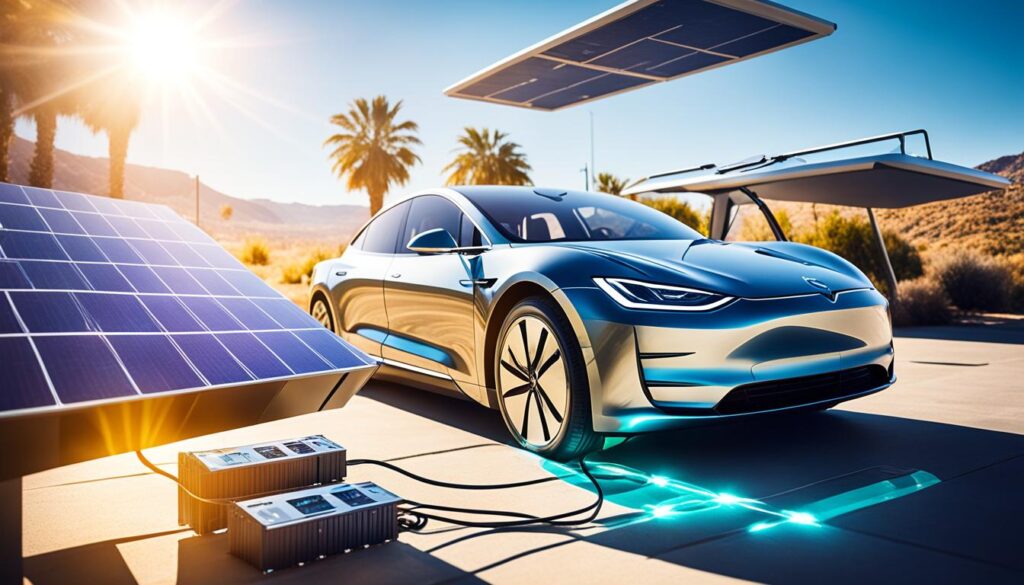
The world of electric vehicle technology is changing fast. Moving from traditional fuel to electric power means cleaner energy and new car features. Big steps in battery and design are making electric cars better and more popular.
Pivotal Battery Technology Innovations
Battery technology is leading the way in electric cars. For example, lithium-sulfur batteries are a big deal because they pack more energy per kilogram. This could mean longer drives and faster charging times, making electric cars more attractive to everyone.
There’s also a push to make EV batteries cheaper and more efficient. This will help make electric cars more affordable compared to those with gasoline engines.
Teardowns and Benchmarking of EV Components
Studying electric car parts is key to improving electric vehicle technology. These studies help make EVs better for mass production without losing performance. They highlight areas for innovation, like better charging systems and aerodynamics, which can improve range.
In conclusion, electric car technology is getting better in efficiency, cost, and use. With new batteries and designs, electric cars are set to play a big role in sustainable transport.
Consumer Trends Shaping the EV Industry
The electric vehicle (EV) market is changing fast, with new trends in what consumers want. More people care about the environment, which makes them want eco-friendly cars. This has put electric vehicles at the center of growth in the car industry.
Surveys by McKinsey show a big shift towards sustainability. About 42 percent of people say they will buy an electric car next. This change is part of a bigger move towards choosing sustainable transport, with 62 percent thinking about their options more.
Cost is also a big factor in why people are choosing EVs. EV batteries used to cost a lot, but now they’re much cheaper. Experts think they’ll keep getting cheaper, making electric cars even more attractive.
Commercial vehicles, like trucks and buses, are growing fast in the EV market. This shows how electric cars are being used in many ways. Places like the Middle East and Africa are also becoming big markets for EVs, with countries investing in more charging stations.
Big car companies are also making big moves towards electric cars. Ford plans to spend USD 11 billion by 2022 on new EV models. Stellantis is planning to release 29 new EV models by 2030. These moves show how the industry is responding to what customers want.
Understanding what consumers want is key for car companies and others in the industry. By focusing on what people prefer and want for the environment, the industry is changing. It’s moving towards a future where cars are more sustainable.
EV Infrastructure Development and Its Impact
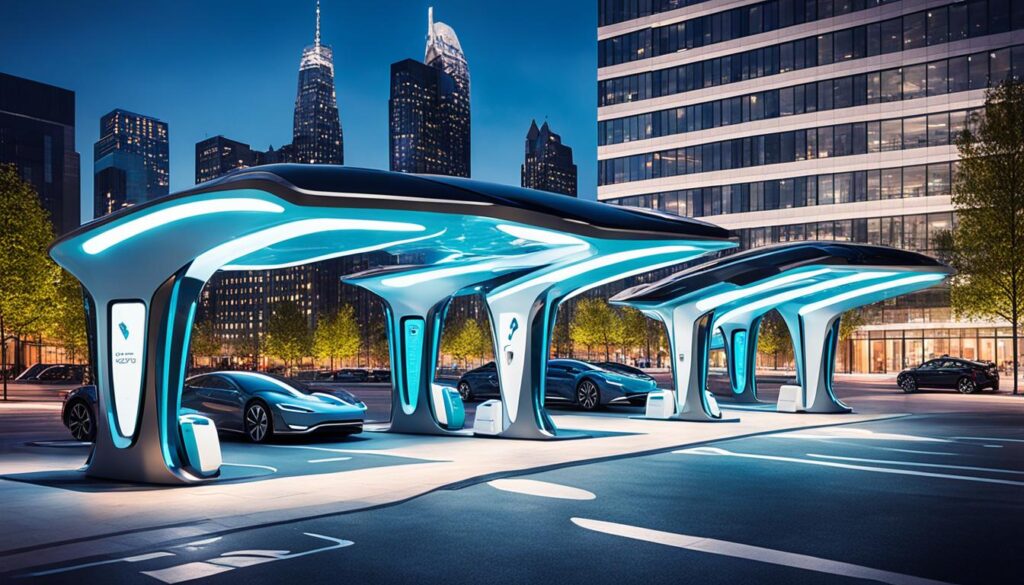
The growth of electric vehicle charging stations is key to meeting the needs of sustainable transport. As more people switch to EVs, we need more charging spots. A wide EV charging network makes switching to electric vehicles easy and efficient for everyone.
Expanding the EV Charging Network
Adding more EV charging stations is crucial for more people to use EVs. By 2030, there could be 30-42 million electric vehicles in the U.S. We currently have about 161,562 charging ports, with only 6,409 DC fast charging stations. We need to increase the number and make them easy to find, just like gas stations.
Energy-Optimization Services for EV Fleets
For companies, using EVs means using smart energy services. These services help use energy wisely and cut costs. They make it easier for companies to switch to electric. But, they need a strong EV charging network that can handle their needs.
| Year | EVs on the Road | Required Public Charge Ports | DC Fast Charging Ports |
|---|---|---|---|
| 2021 | 2.4 million | 161,562 | 6,409 |
| 2030 | 26.4 million (Projected) | 12.9 million (Needed) | 140,000 (Needed) |
We need to grow the electric vehicle charging network to match the expected number of EVs. This is important for both personal and business use. It supports the move to sustainable transport.
Green Technology in EV Manufacturing

The use of green technology in making electric vehicles (EVs) is leading the car industry towards a sustainable future. Big car companies are putting a lot of effort into making their processes eco-friendly. They want to grow the electric car market and reduce harm to the environment.
Investment in Sustainable Production Practices
Big names in the car industry are focusing on sustainable production for EVs to meet the needs of eco-aware consumers. Toyota, for example, is changing its production line to use more renewable energy. They aim to make a big part of their 3.5 million vehicles battery electric by 2030. This shows their strong commitment to growing the electric car market and using green methods.
This effort is not just about making more electric cars. It’s also about making sure the way they’re made is as eco-friendly as possible. You can read more about this at this link.
Cross-Industry Green Initiatives and Partnerships
Working together, companies are pushing for greener manufacturing. These partnerships help use renewable energy across different sectors. This supports the wider use of eco-friendly practices.
These efforts help lower costs and bring new innovations in EV technology. This supports the growth and sustainability of the market.
| Year | Projected EV Market Share | Sustainable Initiatives |
|---|---|---|
| 2025 | 20 million EVs | Integration of next-gen renewable technologies |
| 2030 | 40 million EVs | Extensive use of renewable energy in production |
These strong efforts show a bright future for the environment and the car industry. With more electric cars on the road, companies’ focus on green technology is more than a trend. It’s a big change in how cars are made and their effect on our planet.
The Role of Policy in EV Market Dynamics
The electric vehicle (EV) industry is greatly influenced by EV market legislation and zero-emission vehicle policies. These policies help the market grow and support environmental efforts. Last year, over 1,200 bills about electric vehicles were introduced, showing a big push for eco-friendly transport.
States like New Jersey, Minnesota, and Massachusetts are leading the way with 139, 73, and 70 EV-related bills, respectively. These laws are key for making EVs more popular and building the needed infrastructure.
The U.S. government is also a big player with laws like the Inflation Reduction Act and the Infrastructure Investment and Jobs Act. These laws give a lot of money for EVs and improving the infrastructure. They show a strong commitment to cutting carbon emissions and growing the EV market.
| Year | Legislation/Act | Key Provisions |
|---|---|---|
| 2022 | Inflation Reduction Act | $370 billion in funding to reduce carbon emissions |
| 2022-2026 | Infrastructure Investment and Jobs Act | $4 billion to develop EV infrastructure |
| 2023 | Vehicle Emissions Rule | Boosts clean vehicle production for new car sales to be two-thirds EVs by 2032 |
These actions by the government are key to reaching big goals like adding 500,000 new EV charging stations by 2030. They also aim to increase EVs in new car sales. The rules make car makers work towards zero-emission goals, changing the future of the EV market.
These policies are pushing the U.S. and the world towards a sustainable car future. For example, electric car sales are going up worldwide, thanks to supportive policies and better EV technology. This shows how important government actions are in making the switch to green cars.
Global Disparities and Opportunities in EV Adoption
Looking into the electric car market analysis, we see big differences around the world. These differences affect how electric vehicles are adopted, the policies in place, and how ready the markets are. It’s key to explore regional EV trends and the factors that affect adoption in each market.
Regional EV Sales Trends and Forecasts
The global electric vehicle adoption shows big differences. Europe leads with strict rules on CO2 emissions and high interest from consumers, seeing a 20% jump in electric car sales in 2023. North America is also strong, thanks to California’s ZEV mandate, which has boosted electric vehicle sales.
Asia is a mix; China leads with 8.1 million new registrations in 2023, but countries like India and Viet Nam are growing fast. This is thanks to government support and a growing middle class wanting sustainable options.
Market-Specific Barriers and Growth Factors
What drives or holds back EV adoption varies by market. In the U.S., the Inflation Reduction Act helped by offering tax credits for EVs. But in places like India and Latin America, cost and lack of charging stations are big hurdles. Yet, EV prices are getting more affordable, and policies are helping to increase adoption.
| Region | 2023 EV Registrations | Market Growth (%) | Key Influencers |
|---|---|---|---|
| Europe | 3.2 million | 20 | EU CO2 regulations |
| China | 8.1 million | 35 | Government incentives, export increases |
| United States | 1.4 million | 40 | ZEV mandate, tax credits |
| India | 80,000 | 70 | Economic growth, policy support |
| Brazil | 50,000 | Nearly tripled | Government incentives |
This detailed look shows us how important it is to have strategies tailored to each region. Understanding regional EV trends helps us grow a sustainable EV market worldwide. This way, we can increase EV adoption in different markets.
Corporate Strategies and the Future EV Landscape
The future of the automotive industry is moving towards sustainability. The electric vehicle market is changing with big corporate investment in EVs. Companies are updating their plans and investing in research and development. This big change is from traditional cars to electric vehicles.
OEM Shifts Toward Electric Models
Big names like Ford, GM, Volvo, and Jeep are pushing hard to make more electric vehicles. They promise to increase their electric car production. This move meets global goals for sustainability and makes them leaders in the electric vehicle market trends.
This change is not just for companies. It’s also because more people want cars that are good for the planet and save energy.
Funding and Investment Patterns in EV Development
There’s a lot of money going into electric vehicles lately. Over $400 billion has been invested in car tech since 2020. This shows a big belief in making transport electric.
Some of this money is for building more charging stations. Another $3 billion is for better batteries, thanks to the Infrastructure Investment and Jobs Act.
This money helps with new electric vehicle technology and building the right infrastructure. It’s a mix of public and private money. This sets the stage for a future with more electric cars.
The future of the automotive industry is all about electric vehicles. This is because of what customers want, laws, and a push for a greener world. As the electric vehicle market trends change, so do the plans of companies and their backers. This looks promising for the industry’s future.
Conclusion
The future of transportation is shifting towards eco-friendly automobiles. States like California, Colorado, and Washington are leading the way with big goals for EV market forecast. They’re setting the stage for a big change by 2030.
Rules are changing to help the industry move towards a greener future. They aim to improve air quality and encourage a focus on the environment. With more people choosing electric vehicles, we’re seeing a big push for a cleaner future.
But it’s not just about laws. Technology is also playing a big part. Electric cars are getting better, with longer ranges, thanks to companies like Tesla. We’re seeing more self-driving cars and smarter car features. This change is expected to bring big economic benefits, like saving billions in emissions and cutting fuel costs.
By 2030, electric vehicles will likely become a big part of our lives. With smart policies and new tech, the car industry is set to change the way we travel. This shift promises a future that’s both eco-friendly and high-tech, focusing on growth for everyone.
FAQ
What are the projected trends for EV cars in 2030?
By 2030, EV cars will focus on green mobility and tech advancements. The demand for electric vehicles will grow, making sustainable transportation a key trend. The automotive industry will see more green technology.
How rapidly are electric vehicle adoption rates anticipated to grow?
EV adoption rates are expected to jump significantly. Global EV sales and production will increase greatly. This growth is backed by market trends, consumer interest, and a push towards electric cars.
What government initiatives are propelling the adoption of electric vehicles?
Governments are pushing for electric vehicles with climate-friendly policies and EV support. They offer incentives for clean energy vehicles. These efforts aim to increase green mobility.
What are the latest advancements in electric vehicle technology?
The latest in EV tech includes big battery improvements and detailed EV component analysis. These advancements are making electric cars better in performance, range, and price.
How are consumer trends shaping the electric vehicle industry?
Consumers are driving the EV market by choosing eco-friendly vehicles. Their choices are shaping the industry, making manufacturers focus on what people want.
How is the expansion of the EV charging infrastructure impacting the market?
A growing EV charging network is key to supporting more EVs. It helps increase EV adoption by making charging easier and more convenient.
What does green technology in EV manufacturing entail?
Green tech in EV making means using sustainable production methods and eco-friendly partnerships. The industry is working to reduce its environmental impact while growing the electric car market.
How do policies influence the EV market dynamics?
Policies like environmental laws and zero-emission goals shape EV trends. They affect how fast the market adopts electric vehicles and how companies react to these changes.
What are the disparities and opportunities in global EV adoption?
EV adoption varies by region due to different policies, economies, and consumer interest. Challenges like infrastructure and cost barriers need special strategies to boost growth.
What strategies are corporations implementing in preparation for the EV future landscape?
Companies are moving to electric models with funding for EV research and development. These plans aim to meet market needs and support a future with more zero-emission vehicles and sustainable mobility.