The automotive industry is on an exciting journey as more people trust electric vehicles (EVs). This trust is making the EV market share grow fast. Governments, like the US, have big goals for electric vehicle sales and want 500,000 public chargers by 2030. With EV incentives and rebates, big investments in EV charging infrastructure, and EV battery technology, EVs are becoming more popular.
To really change the game, we need to convince people that EVs are easy and convenient to own. As more EVs and charging stations appear, people worried about EV range anxiety or the EV cost of ownership will see how well EVs fit into everyday life. This will make more people want to switch to EVs, helping the industry move towards a cleaner future.
EVs are a big step towards a greener world because they cut down on carbon emissions and help fight climate change. Governments, car makers, and buyers are all working together to make EVs the norm. The future looks bright for electric vehicles, and soon, EVs will be the top choice for many drivers around the globe.
Key Takeaways
- Electric vehicle sales are surging globally, with ambitious targets set by governments to accelerate EV adoption.
- Incentives, rebates, and investments in charging infrastructure and battery technology are driving EV market growth.
- Consumer confidence is the key to overcoming range anxiety and concerns about the cost of EV ownership.
- The environmental benefits of EVs are a compelling reason for consumers to make the switch.
- As more EVs hit the roads and charging stations become commonplace, the EV adoption rate is set to skyrocket.
The Rise of Electric Vehicles
The electric vehicle (EV) revolution is growing fast, with a big jump in adoption. More people trust EV technology now, and there are more places to charge them. This makes electric cars a key part of the future of transportation. The demand for electric cars is rising fast, thanks to better batteries, lower emissions, and a push for green travel.
Increasing Consumer Confidence in EV Technology
People are now more confident in electric vehicles because they’ve gotten better. They can go farther, perform well, and are more affordable. Thanks to better batteries, drivers don’t worry about running out of charge on long trips. And with more charging stations, owning an electric car is easier than ever, making people more confident.
Record-Breaking Leap in EV Adoption
Electric vehicle sales are going through the roof. In 2023, nearly 14 million electric cars were sold worldwide. EVs now make up 18% of all car sales, up from 4% in 2020. The first three months of 2024 saw over 3 million electric cars sold, a 25% jump from last year. Experts think EV sales will hit 17 million by the end of 2024, a big increase from last year.
| Region | EV Sales Share in 2023 |
|---|---|
| China | 60% |
| Europe | 20% |
| United States | 10% |
In the United States, EV sales are also rising fast, hitting over 1 million in 2023. By Q3 2023, plug-in electric vehicles made up over 10% of new car sales. California leads the country in EV adoption, with electric cars making up nearly 27% of sales there by September 2023.
“The electric vehicle market is experiencing unprecedented growth, driven by increasing consumer confidence, expanding charging infrastructure, and a global commitment to reducing emissions. As battery technology continues to improve and prices become more competitive, we can expect to see even more drivers making the switch to electric in the coming years.”
The growth of electric vehicles is more than just a trend; it’s a big change in how we think about getting around. With more support from policies, incentives, and lower prices, EV sales are set to keep going up. As more people choose electric cars, we’ll see cleaner air, less use of fossil fuels, and a healthier planet for the future.
Economic Factors Driving EV Market Growth
The electric vehicle (EV) market is growing fast. This is thanks to economic factors that make EVs more appealing to buyers. Battery prices are going down, and government incentives are making EVs more competitive. This is leading to more people buying EVs worldwide.
Long-Term Cost Savings for EV Drivers
EVs offer big long-term savings. Even though they might cost more upfront, owning one is cheaper over time. EVs cost less to fuel and maintain than traditional cars.
Studies show EV drivers save about $1,000 a year on fuel. Electricity prices don’t change much, unlike gas prices. EVs also need less maintenance, saving drivers even more money over time.
Tax Breaks and Incentives for Electric Car Buyers
Government incentives are helping the EV market grow. Many countries offer tax credits, rebates, and lower fees for EVs. This makes buying an EV more attractive.
In the U.S., there’s a tax credit of up to $7,500 for new EVs. Some states add more incentives, making EVs cheaper for buyers. These deals help people save money and reduce their carbon footprint.
Declining Battery Prices and Improved Affordability
Battery prices are dropping fast, which is a big reason for EV growth. Batteries are the most expensive part of an EV. But as technology gets better and production increases, battery costs are falling.
Battery prices have fallen by over 80% since 2010. Experts think they’ll keep going down. This makes EVs more affordable, closing the price gap with traditional cars. As batteries get cheaper, more people will switch to EVs.
| Economic Factor | Impact on EV Adoption |
|---|---|
| Long-term cost savings | EV drivers save an average of $1,000 per year on fuel costs |
| Tax breaks and incentives | Federal tax credit of up to $7,500 for new EV purchases |
| Declining battery prices | Battery prices have dropped by more than 80% since 2010 |
The mix of cost savings, government help, and cheaper batteries is boosting the EV market. These factors are making electric cars the future of transportation. As more people see the financial benefits, EVs will soon be common on roads everywhere.
Societal Factors Contributing to EV Adoption
The rise of electric vehicles (EVs) is not just about money. It’s also about big changes in society. More people now see how EVs help the planet and offer a better way to move around. This makes more people want EVs.
Environmental Benefits of Driving Electric Cars
EVs are great because they cut down on harmful emissions. Using renewable energy to power them helps fight climate change. A study showed that car emissions grew very little in 2019, thanks to more electric cars and better technology.
Influence of Neighbors, Friends, and Celebrities on EV Adoption
Seeing others use new tech, like EVs, can make us want to try it too. Seeing famous people or friends in electric cars makes EVs seem like a good idea. It makes going green more normal and appealing.
“Seeing my favorite actor driving an electric car on social media made me realize that EVs are not just a fad, but a real solution for a greener future.” – Maria, a new EV owner
State Mandates Pushing Car Companies to Expand EV Options
More governments are pushing for fewer emissions by supporting EVs. Places like California plan to stop selling new gas cars soon. This is making car companies offer more EV choices, making it easier for people to switch to greener driving.
| State | Ban on New Gasoline Car Sales |
|---|---|
| California | 2035 |
| New York | 2035 |
| Massachusetts | 2035 |
| Washington | 2030 |
As more people choose EVs, we’ll see less harm to the environment. By choosing eco-friendly driving and supporting renewable energy, we help make a better future. Together, we can make the world cleaner and greener for the next generations.
Regional Differences in EV Adoption
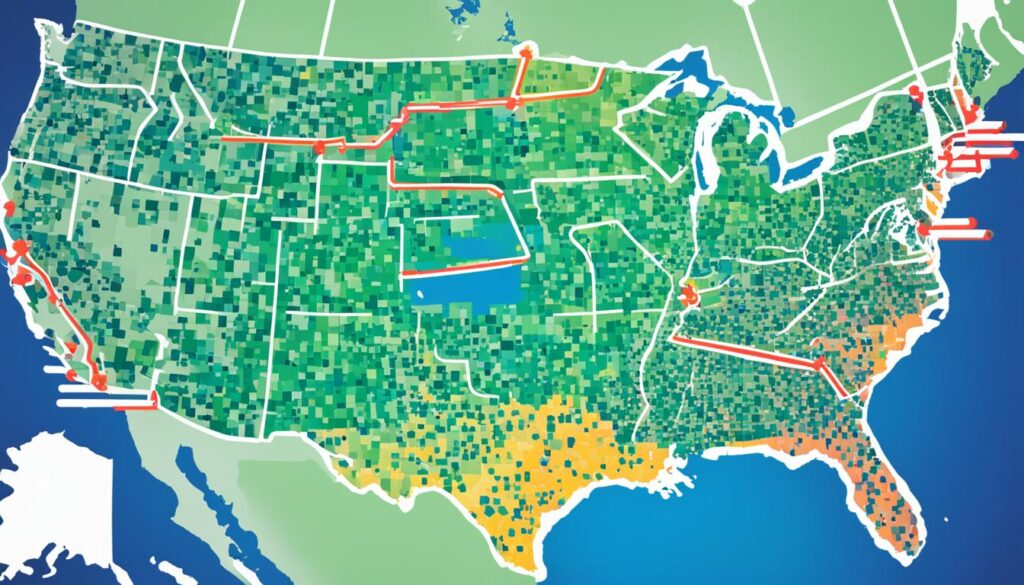
EV sales trends vary a lot across the United States. Some states are way ahead in adopting electric vehicles, while others are behind. This difference comes from various factors like ev infrastructure, charging networks, and what consumers prefer.
California leads the way in electric vehicles. Over 25% of new cars sold there are EVs. This is thanks to big incentives like up to $7,500 for buying or leasing EVs. Plus, California has put $2.9 billion into doubling public EV chargers.
Other top states for EVs include Washington, Hawaii, Oregon, Nevada, Maryland, Arizona, Colorado, Utah, and Massachusetts. These states focus on building EV infrastructure and have policies to help switch to electric cars.
On the other hand, states like North Dakota, Wyoming, and South Dakota have the fewest EVs. North Dakota has just 62 EV chargers and about 400 EVs. These states have less EV use because of limited charging spots and not much awareness about EVs.
| Stage of EV Adoption | Percentage of Vehicles on the Road |
|---|---|
| Innovators | 0 – 2.5% |
| Early Adopters | 2.5% – 16% |
| Early Majority | 16% – 50% |
| Late Majority | 50% – 84% |
| Laggards | 84% – 100% |
EV adoption varies a lot across the US. We need a big plan to improve infrastructure and teach people about EVs. By working on these areas, we can make a cleaner, sustainable future for everyone, no matter where they live.
The road to widespread EV adoption is paved with regional challenges and opportunities. It is up to us to navigate this path together, ensuring that no state is left behind in the race towards a greener future.
Challenges to Widespread Electric Vehicle Adoption
As the world moves towards electric vehicles (EVs), several challenges must be overcome. EVs could change how we travel and help fight climate change. But, we need to tackle key issues to make sure EVs become common.
Need for Expanded Charging Infrastructure
One big problem is the lack of charging stations. McKinsey & Company says charging issues are the main reason people don’t buy EVs in the U.S. Most people want to charge their cars at home, not at public stations. Only 11% plan to use public chargers.
But, there’s good news. The number of public EV charging stations went up by 58% from 2020 to 2021. Now, there are 50,054 stations with 128,474 charging outlets. Still, we need more stations, especially in rural areas.
Addressing Range Anxiety with Improved Battery Technology
Range anxiety, or worrying about running out of power, is a big concern. The longest-range electric cars now offer up to 520 miles on a single charge. But, they still don’t match the range of gas cars.
Advances in battery technology, like Exro Technologies’ Coil Driver™, are key. They help make EVs more efficient and reduce range anxiety.
| Charging Level | Power Rating | Charging Time |
|---|---|---|
| Level 1 | 1kW | Slow |
| Level 2 | 5kW | Moderate |
| Level 3 (DC Fast Charging) | 80kW | 100 miles in 40 minutes |
Extending EV Reach to Rural and Remote Areas
Getting EVs to rural and remote areas is tough. There aren’t enough charging stations and places are far apart. We need to put charging stations in key spots, like along highways and in town centers.
Working together, government agencies, utility companies, and private businesses can help. They can make sure EVs benefit everyone, not just some.
Overcoming these challenges is crucial for EVs to become common. By improving charging stations, battery technology, and reaching rural areas, we can make a greener future. It’s a tough journey, but the goal of a cleaner world is worth it.
Utility Companies’ Role in Preparing for an EV Future
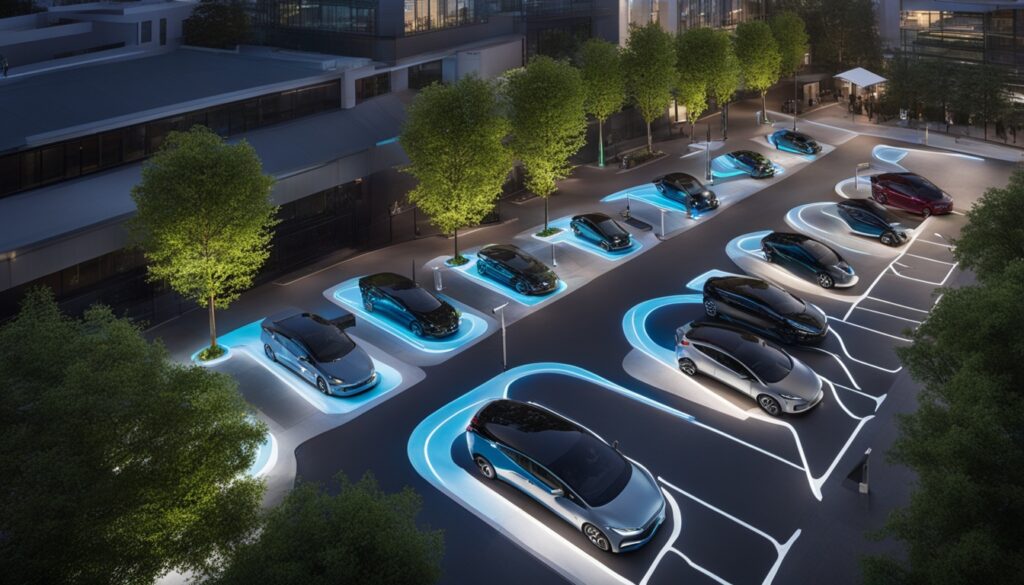
Utility companies are key in making the shift to cleaner transportation happen. They need to plan and invest in the right infrastructure. This ensures EVs fit well into our energy grid, helping with emission rules and sustainability.
Forecasting Load Growth and Updating Capacity Maps
Utility companies must predict how many EVs will be on the road soon. The National Renewable Energy Laboratory says we’ll need a charging network for 30-42 million EVs by 2030. This means they need to plan and invest in charging stations now.
Proactive Grid Upgrades and Smart Grid Development
Utilities should focus on upgrading the grid and using smart grid tech. A study in June 2023 by NREL found that building 182,000 fast charger ports for 33 million EVs in 2030 could cost between $27 billion to $44 billion. Upgrading the grid early will help keep the energy supply steady for EV charging.
Promoting Grid-Friendly Charging and Customer Education
Utilities should encourage charging during off-peak hours to ease the strain on the grid. Programs that manage charging and offer rewards for off-peak use can help. Teaching customers about EVs is also key to a smooth transition. Utilities can help by giving out EV guides and resources.
| Initiative | Investment | Impact |
|---|---|---|
| 2022 Inflation Reduction Act | Substantial support for EV infrastructure | Accelerates EV adoption and charging network expansion |
| 2021 Bipartisan Infrastructure Law | Significant investments in EV charging infrastructure | Supports the development of a nationwide charging network |
| Electrify America | Deployment of over 850 DC fast charger stations (4,000 ports) | Enhances charging accessibility and convenience for EV drivers |
Incorporating Equity Considerations into EV Planning
It’s important for utilities to think about fairness when planning for EVs. The Justice40 initiative wants 40% of federal investment benefits to go to disadvantaged communities. Utilities can use tools from the Joint Office of Energy and Transportation to help these communities adopt EVs and build charging stations.
“Collaboration between local and regional transportation agencies will ensure a connected network with higher utilization.” – Industry Expert
By taking an active role in the EV future, utilities can help with the energy transition and support cleaner transportation. With good planning, upgrading the grid, teaching customers, and focusing on fairness, utilities can lead the way to a greener future.
Advancing EV Adoption Through Fleet and Bidirectional Charging Initiatives
Businesses and cities are key to speeding up electric vehicle (EV) use and making grids stronger. They’re doing this with new tech like bidirectional charging and smart policies. This is making a path for a green future in transport.
Municipal EV Fleet Transitions
Cities are showing the way by switching their vehicles to electric. This includes buses and trucks for maintenance. It cuts down on pollution and saves money over time.
By going electric, cities show they care for the planet. This encourages businesses and people to switch too. It’s helping the whole community move towards cleaner transport.
Fleet Owners Driving EV Adoption
Fleet owners like delivery services and taxis can really push EVs forward. They can cut costs by switching to EVs and setting up good charging spots. They can influence many vehicles, making electric transport more common.
Bidirectional Charging Technology and Grid Resilience
Bidirectional charging is changing the game for EVs and grids. EVs can take power from the grid and send it back when needed. This helps during off-peak times or when there’s lots of renewable energy.
It also means EVs can send power back to the grid during outages or to help with high demand. This cuts down on carbon emissions, making transport cleaner.
With bidirectional charging, EV owners can make money by selling extra energy. This makes using energy smarter and helps keep the grid stable. Chargers use smart tech to decide when to charge or send power, based on many factors.
Working together is important for making bidirectional EV charging better. This includes car makers, utilities, tech companies, and research groups.
Rules and standards like OCPP and ISO 15118 help make sure EVs work well together. They ensure safety and fair payment for energy services. With these steps, we can make electric vehicles the standard, helping our environment.
EV Demand: A Second Wave of Shoppers on the Horizon
The electric vehicle (EV) market is changing fast. A big change in how people feel about EVs is coming. The 2024 Path to EV Adoption Study by Cox Automotive shows nearly half of shoppers aren’t thinking about EVs yet. They are called “Skeptics.”
But, as EV technology gets better and charging spots grow, more people will want to buy EVs. This will be a big change for the EV market.
Skeptics Poised to Become EV Considerers
About 54% of today’s ev skeptics will start thinking about EVs in the next three to five years. They want better EV technology and more charging spots. They’re waiting for EVs to have longer battery life, be more reliable, and have the latest technology.
By the next decade, 80% of today’s Skeptics will be open to buying an EV. This means a big change is coming for the EV market. Many new buyers will join as their doubts fade away.
Technological Advancements and Infrastructure Improvements as Key Drivers
People are starting to like EVs more because of better technology and more charging spots. As batteries get better, EVs will go farther and charge faster. This will make people trust EVs more.
More charging stations across the US will help too. This will make people worry less about running out of power. With easy access to charging, more people will switch to EVs.
| Consumer Sentiment | Current Skeptics | Potential EV Considerers (3-5 Years) | Potential EV Considerers (10 Years) |
|---|---|---|---|
| Percentage | 50% | 54% | 80% |
This table shows how people’s feelings about EVs might change in the next decade. As technology and charging spots get better, fewer people will doubt EVs. More will start to think about buying one.
In conclusion, more people will start buying EVs as technology and charging spots get better. This change will make the car world different. It will lead to more EVs on the road and a greener future for driving.
The Mainstreaming of the EV Market
The electric vehicle (EV) market is changing fast, becoming more popular with a wider range of people. What was once just for luxury and high-income families is now drawing in Gen Z, multicultural, and those who earn less. This change shows how electric vehicles are becoming more appealing and affordable.
Now, more people are looking at used electric vehicles. Research by Cox Automotive found that 77% of those thinking about EVs are now checking out used ones, up from 62% in 2021. This rise in interest in used EVs shows how electric cars are becoming more affordable and appealing to more people.
Attracting Diverse Demographics and Used EV Shoppers
The EV market is opening up to a wider range of people, not just one group or income level. Younger people and those from different backgrounds are now part of the EV crowd. This change is key for the growth and future of electric vehicles.
“The EV market is slowly becoming more mainstream, casting a wider net and attracting a more diverse range of consumers.” – Cox Automotive Research
The used EV market is a big part of making electric vehicles more common. As more EVs become available second-hand, they’re easier for more people to buy. This trend will likely keep going as the EV market grows and more models hit the used car scene.
| Year | Percentage of EV Considerers Looking at Used EVs |
|---|---|
| 2021 | 62% |
| 2023 | 77% |
The rise of EVs is good news for the industry and the planet. As more people can afford and access electric vehicles, more will join the movement. With the growing used EV market and its appeal to a variety of people, the shift to electric is happening fast.
Increasing Brand Awareness and Consideration
The electric vehicle market is growing fast. Automakers need to make their brands more known to get a piece of the action. Tesla leads the EV market, but other brands are catching up.
Tesla’s Dominance and the Rise of Mainstream Brands
Tesla is a top name in EVs for its tech, style, and strong brand. But as more people want electric cars, other brands are getting ready to compete. They aim to match Tesla’s success.
Toyota, Hyundai, and Kia are getting more noticed and considered, says a Cox Automotive study. They use their good names and many dealers to sell their EVs.
“Ford continues to be the most-considered EV maker not named Tesla, highlighting the importance of brand recognition and trust in the EV market.” – Cox Automotive Study
Lack of Awareness for Many EV Offerings
Even with efforts from brands, many people don’t know about EVs from other big names, the study found. This means many shoppers aren’t looking at EVs, making it hard for brands to stand out.
For instance, only 33% of shoppers know about Nissan’s EVs. This shows the need for better marketing and teaching to get people interested in EVs.
| Brand | EV Model Consideration | Awareness of EV Offerings |
|---|---|---|
| Tesla | High | High |
| Ford | Moderate | Moderate |
| Toyota | Low to Moderate | Low |
| Hyundai | Low to Moderate | Low |
| Kia | Low to Moderate | Low |
| Nissan | Low | Low (33%) |
To get more people to notice and think about their brands, automakers should:
- Make ads that show off what’s special about their EVs
- Work with influencers to spread the word and build trust
- Offer classes to teach people about electric cars and their benefits
- Use their dealerships to promote EVs and make buying easy
As electric cars become more popular, it’s key for brands to get noticed and considered. With the right marketing and teaching, mainstream brands can challenge Tesla and help more people switch to electric vehicles.
Strengthening Dealer-Automaker Relationships in the EV Era
The shift to electric vehicles is changing the car industry. Dealers and automakers now work together more closely than before. Since 2019, their partnership has grown more strategic and balanced. Dealers get more support from automakers in selling and servicing electric vehicles.
Dealerships now get better ev dealer support in marketing, sales, and service. But, they say they need more help, especially with selling EVs. They want more incentives, free maintenance, and money for ads to improve ev marketing and service.
Increased Support for Dealers in Marketing, Sales, and Service
Meeting ev sales targets is getting harder, with 65% of dealers feeling the pressure. Luxury dealers feel this pressure even more. This shows how crucial a strong partnership between dealers and automakers is.
“The partnership between dealers and automakers has become more strategic and balanced since 2019, with dealers enjoying increased support in marketing, sales, and service for EVs.”
Dealer Commitment to Investing in EV Infrastructure
Despite the challenges, dealers are committed to EVs. 86% of franchised dealers plan to keep investing in EVs. This shows they share a vision and are working together to make EVs more popular.
| Dealer Sentiment | Percentage |
|---|---|
| Feeling pressure from automakers to hit EV sales targets | 65% |
| Likely or somewhat likely to continue making required EV investments | 86% |
The journey to a future with more EVs depends on a strong bond between dealers and automakers. Together, they can offer better support, invest in needed infrastructure, and meet consumer needs. This partnership will help make the EV market successful.
Conclusion
The ev future is looking bright, thanks to the 2024 Path to EV Adoption Study by Cox Automotive. This study shows how electric vehicle sales are growing, even if the growth has slowed a bit. It also highlights the importance of infrastructure, education, and technology for the future of ev market projections.
The study predicts that more people will start thinking about electric vehicles in the next few years. By 2033, 80% of those who were skeptical about EVs will start considering them. This means more people will look at electric vehicles when buying new or used cars. This move towards sustainable transportation is a big step forward for the car industry.
For electric vehicles to become more common, everyone in the industry must work together. Automakers, dealers, utility companies, and policymakers need to join forces. They should focus on building more charging stations, improving battery technology, and teaching consumers about EVs. As we move forward, electric vehicles will change how we travel. The 2024 Path to EV Adoption Study gives us important advice on how to make this change successful.
FAQ
What factors are driving the growth of electric vehicle adoption?
Many things are making electric vehicles more popular. People are getting more confident in EV technology. They see long-term savings and enjoy tax breaks. Battery prices are dropping, making EVs more affordable. Plus, driving electric cars is better for the environment.
How are utility companies preparing for an EV future?
Utility companies are getting ready for more electric cars by planning for increased demand. They’re updating their systems and making smart upgrades. They’re teaching customers about EVs and focusing on making the grid better for electric cars.
What role do fleet owners and bidirectional charging play in advancing EV adoption?
Fleet owners like cities and delivery services are helping by switching to electric. This cuts down on pollution and saves money. Bidirectional charging lets EVs send energy back to the grid, helping the power system.
What is the current state of EV brand awareness and consideration?
Tesla is still leading in electric cars, but brands like Toyota, Hyundai, Kia, and Ford are catching up. Many people don’t know about EVs from big car companies yet. So, there’s a need for more info and education.
How are dealer-automaker relationships evolving in the EV era?
Dealers and car makers are working closer together on EVs. Dealers are investing in EV charging stations. They’re also pushing to meet EV sales goals. This teamwork is important for getting more people to buy electric cars.
What advancements are needed to address consumer concerns about EVs?
We need better charging stations and better batteries for longer ranges. We also need to make EVs available in more places. New tech and better infrastructure will help turn doubters into buyers.
How is the EV market becoming more mainstream?
EVs are winning over more people, including young Gen Z, diverse groups, and those with less money. More people are looking at used EVs, making them more affordable for everyone.