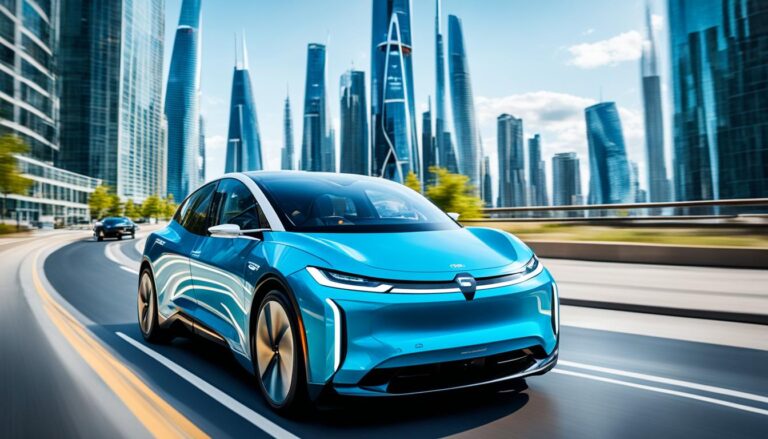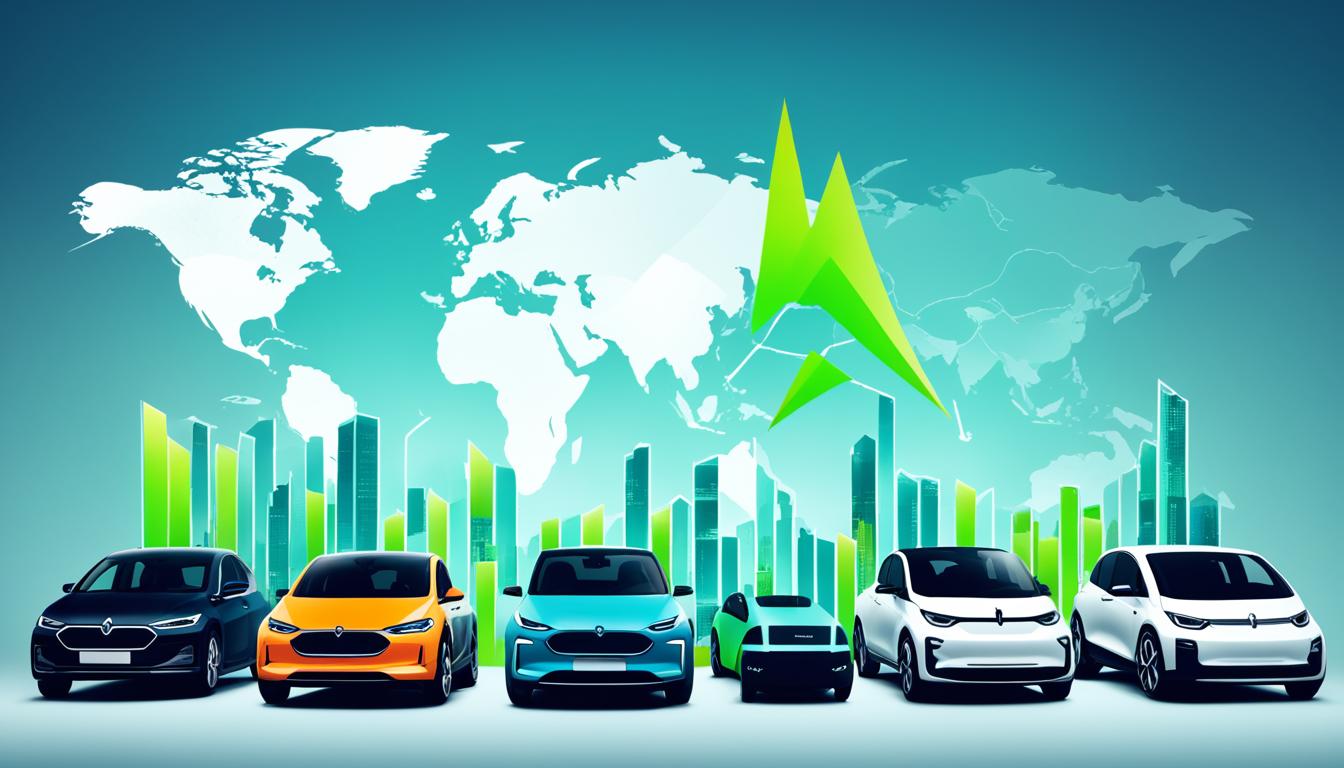
The global electric vehicle market saw a huge jump in 2022, with over 10 million units sold. This was a 55% increase from the year before. This growth is thanks to new electric vehicle technology advancements and a move towards sustainable transportation. Even as overall car sales went down, electric vehicles (EVs) kept growing. Now, there are over 26 million electric cars on the roads, a 60% increase from last year.
Battery electric vehicles (BEVs) made up 70% of this growth. This shows how fast the way we move around is changing. Electric vehicles are becoming a big part of our transportation talks.
Key Takeaways
- The global electric vehicle market is growing fast, with over 26 million EVs on the roads as of 2022.
- Even though car sales went down, EV sales jumped by 55% in 2022. This shows people and the market trust these green cars.
- China leads in EV sales, making up 60% of new electric cars sold worldwide.
- Europe and the U.S. are also buying more electric cars, showing a big move towards electric vehicles.
- BEVs are becoming more popular because they cost less to maintain and are better for the environment.
- Government efforts to improve EV charging networks are helping more people adopt electric cars.
- Experts predict the electric vehicles market will grow by 13.8% each year until 2032, pointing to a bright future for electric cars.
Global Surge in Electric Vehicle Sales
The global electric vehicle industry saw a big jump in sales in 2023. Despite some market issues, more people started buying electric cars. This shows how strong and flexible this growing field is.
Record-Breaking Sales in 2022 Despite Market Challenges
Last year was a big moment for electric vehicle market trends. Sales went up by 55%, making electric cars 14% of all cars sold worldwide. This is a big jump from less than 2% in 2017. It shows how more people in places like Europe are choosing electric cars, thanks to better awareness and government support for sustainable transportation solutions.
China’s Dominance in the Electric Vehicle Landscape
China led the way in electric car sales, making up almost 60% of global sales in 2023. The country saw a 35% increase in EV sales, showing its key role in the ev industry trends. With strong government support, big investments from top electric car manufacturers, and a big market, China is a leader in the global electric vehicle industry.
Europe’s Electric Transition Amidst Rising Energy Prices
Even with higher energy costs, the European electric vehicle market grew by nearly 20% in 2023. Countries like Norway are leading, with electric cars making up almost 95% of new car sales. This shows Europe’s strong push towards electric cars. More people in Europe are choosing electric cars for their eco-friendliness and efficiency.
In 2023, electric cars had a big year with more sales and market share in major markets. This growth matches the move towards sustainable transportation solutions. It looks promising for the electric car sector. From China’s big market share to Europe’s growth despite economic issues, the electric car world is changing fast. It’s an exciting time for those in the automotive industry.
The Pivotal Role of China’s Market in Electric Vehicle Growth
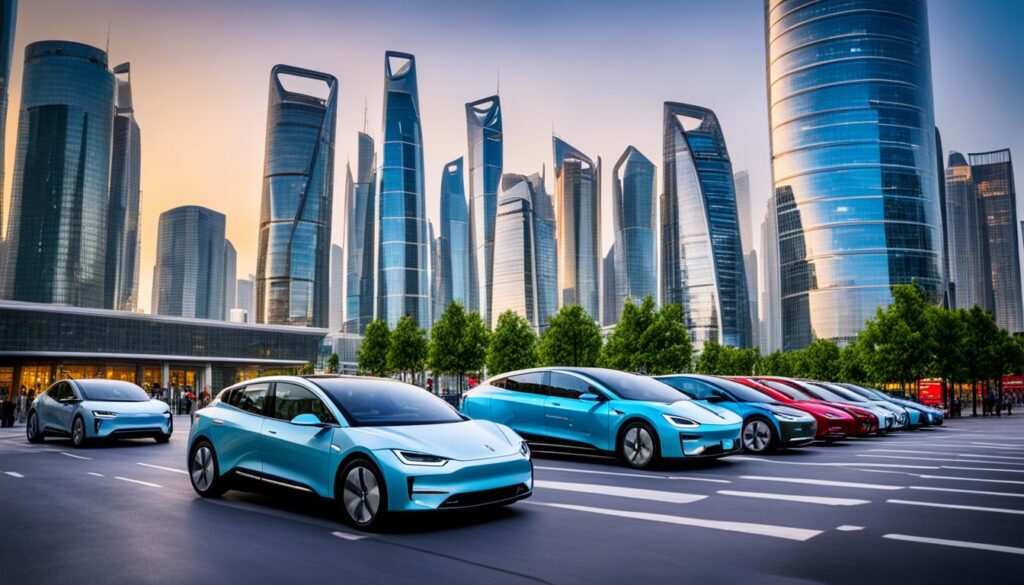
China has become a key player in the electric vehicle industry. It leads the world in electric car sales, tech, and production. In 2022, China reached its goal for new energy vehicle sales early, showing its strong push towards its 2030 goals.
The Chinese market’s impact is huge, thanks to strong policy support and tech innovation. This article shows how these factors have helped the sector grow. Cities like Shenzhen and Guangzhou are hubs for automotive tech, boosting companies like BYD and Xpeng Motors.
| Statistic | Data |
|---|---|
| Percentage of global BEV sales by China | 60% |
| Percentage of lithium batteries produced by China | 65% |
| Number of EV manufacturers in China (2021) | Approximately 300 |
| Export percentage of electric cars from China | 35% |
| Tesla’s share in Chinese EV exports (Jan-Apr 2023) | 40.25% |
| Percentage of EVs and batteries sold in Europe from China | 16% |
| Production of NEVs by BYD (2023) | Over 3 million units |
These numbers show China’s big role in electric vehicles. They highlight the government’s support and the market’s readiness. This has big effects on the global electric vehicle market.
China’s lower battery costs and lower vehicle prices help it stay competitive. This approach is expected to keep China leading in electric vehicle innovation for a long time.
Emerging Electric Vehicle Technologies and Innovations
In recent years, electric vehicles (EVs) have made big strides in ev technology advancements and battery electric vehicle developments. These advancements are leading to new solutions for a greener future. Battery technology and autonomous systems are key to this progress.
Advancements in Battery Efficiency and Range
The push for electric vehicle technology innovations has improved battery efficiency and range. New lithium-ion technologies and solid-state batteries are changing the game for renewable energy vehicles. Here are some key improvements:
| Technology | Description | Benefits |
|---|---|---|
| Lithium-ion Batteries | Current standard in EVs, known for good energy density and efficiency. | Better lifespan and faster charging capabilities. |
| Solid-state Batteries | Newer technology that replaces liquid electrolyte with a solid. | Higher energy density and increased safety. |
| Wireless Charging | Emerging technology for charging without physical connectors. | Addresses range anxiety and infrastructure concerns. |
Integration of Connectivity and Autonomous Features
The mix of smart EV features and autonomous electric cars is changing driving. Autonomous tech boosts safety and makes driving better. EVs now have advanced software that brings these features to life:
- Level 4 Automation: Cars can drive on their own under certain conditions.
- Vehicle-to-Grid (V2G) Systems: EVs help with grid stability and renewable energy.
- Enhanced Connectivity: Drivers get real-time updates on vehicle performance and more.
These technologies are becoming more popular as people want safer, more efficient, and connected cars.
With ongoing ev technology advancements, electric vehicles are set for a bright future. They combine eco-friendliness with the latest tech for an unmatched driving experience. The move towards a sustainable and advanced transportation solution is exciting, making electric vehicles a key part of the automotive industry’s growth.
e-Mobility Expansion: Trends in Electric Vehicle Adoption Rates
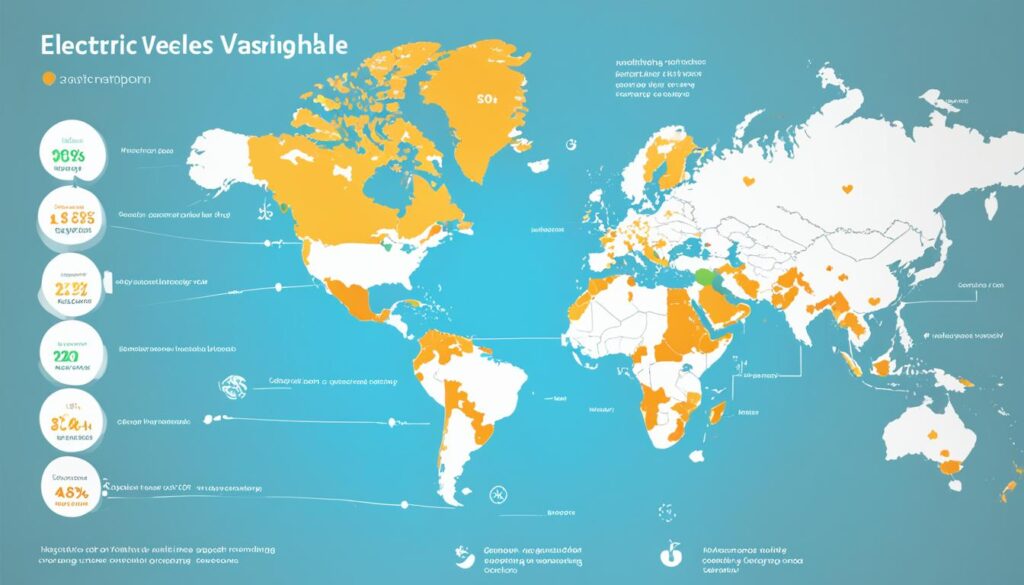
The world is seeing a big change in global electric vehicle adoption. China is leading the way with a huge increase in eco-friendly cars. In 2023, one in four cars in China was an electric one, showing a big impact on the world.
There’s a lot of growth expected in this area. Experts say that by 2030, the demand for electric cars will grow six times over. They expect around 40 million electric cars to be sold each year by then. This growth includes not just personal cars but also micromobility and commercial electric vehicles.
Big names like Tesla and VW Group are leading in the top electric vehicle brands. They’re doing well because they started early and keep innovating. They’re meeting the growing demand for electric cars.
In Norway, electric cars make up 80% of all new car sales. This shows how fast electric cars can take over in other places too. It looks like the global EV market is set to grow even more.
By 2025, EVs will make up 46% of all car sales. By 2035, that number could jump to 83%. These numbers show a big change towards sustainable, eco-friendly cars. It looks like electric cars will keep growing, making the future look promising.
Sustainable Transportation and Electric Vehicles
The use of electric vehicles (EVs) is a big step towards better transportation. As we work to cut down on carbon emissions and fight climate change, EVs are leading the way. They help us move towards a cleaner future.
Electric cars are great because they don’t emit harmful gases like traditional cars do. In 2021, cars caused 37% of all carbon dioxide emissions from energy use. Switching to electric cars is key to reducing these emissions. For more info, check out this in-depth look at electric vehicles.
The Environmental Impact of Shifting to Electric Cars
Moving to eco-friendly cars helps cut down on emissions and use less energy. Experts say we’ll need less petroleum by the mid-2030s thanks to electric cars. Countries like China are leading the way, using fewer petrol cars.
Consumer Preferences Shaping Sustainable Mobility
More people want sustainable transportation options, like EVs and clean energy vehicles. Surveys show many are willing to switch from traditional cars to electric ones. By 2032, EVs will make up 30% of all cars, showing strong support for electric car innovations.
The EV market is growing fast, thanks to these trends. We need better charging stations and more renewable energy to support it. With more EVs coming, we must have the right electric vehicle supply equipment and utilities.
The future of EVs depends on new tech and finding ways to get the materials needed for batteries. We’ll need a lot more lithium and cobalt by 2050. Creating a strong circular economy for EV batteries is crucial.
Working together, schools, big companies, and groups like the Center for Efficient Vehicles and Sustainable Transportation Systems (EV-STS) can make transportation better. These partnerships help improve how we use energy and make the eco-friendly automotive industry better.
Electric Vehicle Charging Infrastructure Development Worldwide
As more people get excited about electric vehicles (EVs), the need for electric vehicle charging infrastructure grows. This growth is key for a better EV experience and for keeping the sector sustainable. Governments and the creation of public EV charging stations are crucial steps in this journey.
Increasing Availability of Public Charging Stations
By 2035, we expect to see over 25 million public charging points worldwide. The U.S. plans to build 500,000 public EV charging ports by 2030. Europe aims for about 2.7 million chargers by 2035, covering both city and countryside.
Governments’ Role in Building EV Charging Networks
National governments are playing a big part in this growth. The U.S. has set aside nearly $50 million for government support for EV charging. Europe and Asia are also offering big financial boosts. This sustainable infrastructure investment meets current needs and prepares for more electric vehicles in the future.
Across continents, countries are working together. The European Union and the United States are standardizing charging systems. This will allow for powerful chargers up to 3.75 MW. Such efforts make electric vehicle infrastructure better and more accessible for everyone.
| Region/Country | 2035 Projection of Public Charging Points | Notable Initiatives |
|---|---|---|
| Global | 25 million+ | Home and private chargers to exceed 270 million |
| USA | 1.7 million | National network of 500,000 EV ports by 2030 |
| Europe | 2.7 million | 80% of chargers within the EU; Large-scale standardization efforts |
| China | Dominant in market share | Remains leading in public LV chargers |
| India | Supporting 25 million EVs | Aiming for significant increase in chargers |
Electric vehicles in the world: Annual Market Analysis
This year’s electric vehicle market looks promising, thanks to growth drivers and market shifts. The industry is growing fast, thanks to new tech and government support.
Looking at global electric vehicles, the market was worth USD 255.54 billion in 2023. It’s expected to jump to USD 2,108.80 billion by 2033. This means a strong growth rate of 23.42% from 2024 to 2033. The demand is rising fast, especially in the Asia-Pacific region, which had a 42.14% revenue share in 2023.
Battery Electric Vehicles (BEVs) made up 67.7% of the 2023 market. Passenger cars were the main segment, with a 62.4% share. This shows what consumers like and what manufacturers might focus on in the future.
Let’s look at the table below for more details on the electric vehicle market analysis:
| Category | 2023 Market Value (USD Billion) | 2033 Forecast Market Value (USD Billion) | CAGR (2024-2033) |
|---|---|---|---|
| Global EV Market | 255.54 | 2108.80 | 23.42% |
| BEVs Revenue Share | 67.7% | Projected Growth | N/A |
| Passenger Cars Revenue Share | 62.4% | Projected Growth | N/A |
The data shows the current state and the huge potential of the electric car market trends. The Asia-Pacific region, with countries like China and India, will lead the EV market. It’s expected to grow at a CAGR of 23.82%, making it a USD 917.33 billion industry by 2033.
Looking deeper, insights into global electric vehicles show how strong industrial frameworks and supportive policies are driving this change.
As we move forward, the growth of this market will shape strategies in sectors like energy, technology, and consumer goods. This evolution in electric vehicles tells a story of innovation and a move towards a greener future.
Leading Electric Car Manufacturers and Their Market Influence
The shift to electric vehicles has been led by top manufacturers. They use strong marketing and new tech. These companies are key to understanding the electric vehicle market.
Top Performers in the EV Sector
Looking at the best electric vehicles, we see leaders who innovate and dominate sales. Tesla is a top name, known for its production efficiency and leading the electric vehicle competition. BYD, a Chinese company, has also grown a lot, helping increase EV sales worldwide.
The Competitive Landscape of Electric Vehicle Brands
Electric vehicle brands compete not just in sales but also in offering new tech. The 2021 list of best electric cars showed cars that were efficient, affordable, and luxurious. This set new standards for future models.
Here’s a look at 2023, showing how brands stand out in this tough market:
| Brand | Total EVs Manufactured | Type | Market Share |
|---|---|---|---|
| Tesla | 1,811,088 | BEVs | 13.6% |
| BYD | 3,014,692 | BEVs & PHEVs | 22.6% |
| Volkswagen | 1,010,263 | BEVs & PHEVs | 7.6% |
| General Motors | 659,954 | BEVs & PHEVs | 5.0% |
| Stellantis | 654,438 | BEVs, FCEVs & PHEVs | 4.9% |
| BMW | 562,921 | BEVs, FCEVs & PHEVs | 4.2% |
The numbers show a big change in what consumers want and how manufacturers are responding. These key players are driving the electric vehicle market forward with new tech and market strategies.
With predictions that EV sales could hit 56.5 million by 2035, making up 55% of all vehicle sales, these manufacturers will be more important than ever. They need to keep up with demands for sustainability, performance, and design innovation to lead in the electric vehicle market.
Electric Vehicle Industry Investment and Economic Impact
The electric vehicle (EV) sector is booming, thanks to big EV market investments and government subsidies for electric vehicles. These efforts have led to huge advancements in green transportation. This marks a big move towards sustainable cars.
Investor Confidence and Funding Patterns in the EV Market
Investors are really backing the electric vehicle industry, thanks to its fast growth. This support has led to more innovation and steady money flow into the field. Below, we see some big investments and how they’ve done on the stock market.
| Company | Investment Growth (2019-2023) | Market Capitalization (2023) |
|---|---|---|
| BYD | 200% | USD 250 billion |
| Tesla | 300% | USD 800 billion |
| Stellantis | 150% | USD 60 billion |
| CATL | 250% | USD 350 billion |
| Hyundai-Kia | 180% | USD 100 billion |
Eco-friendly automotive investment is showing strong returns and supports global sustainability goals. This looks like a promising future for cleaner and more affordable global transport.
Financial Incentives and Government Subsidies for EVs
Financial incentives for sustainable transportation are key to getting more people to buy EVs. Governments around the world offer subsidies that lower the cost of electric cars. This makes them more affordable for buyers and boosts EV sales.
- Incentives reduction of upfront cost: About 70-80% off for electric cars compared to gas cars.
- Total cost of ownership savings: EVs can save up to $5,000 in maintenance over their life.
- Market impact: EVs could cut pollution by over 50% in the world’s most polluted cities.
These efforts don’t just bring good news for the electric vehicle news updates. They also guide future economic policies on sustainable transport. The main point is clear: big investments and smart incentives are pushing the EV industry forward. They ensure its growth and sustainability worldwide.
Conclusion
The future of electric vehicles is leading a global effort to change how we travel. Our look into this sector shows its fast growth and the key electric vehicle technology trends driving us towards greener transport. From the early sales boost to the work on improving EV infrastructure, we see a big chance to change our travel ways.
Now, over 275,000 plug-in electric vehicles are on US roads, and Europe saw a big jump in PEV sales. China has big plans to grow the market even more. But, EVs only make up 14% of global car sales, showing we need to work on battery tech, fix infrastructure, and make EVs affordable. Governments in Norway, the UK, and France are helping by investing in sustainable transportation future projects and rules. These efforts are key to building trust and making the transition smoother.
The electric vehicle scene is full of chances but also faces big challenges. Overcoming these challenges is crucial for the industry and society. With Tesla leading the way, over 40 new EV models from traditional car makers are coming. This shows a big move towards electric cars. As we look forward, we see a future with less pollution and cleaner air. Together, policymakers, manufacturers, and buyers are pushing us towards a time when electric cars are the norm and the planet benefits.
FAQ
What factors contributed to the record-breaking electric vehicle sales in 2022?
Despite challenges like supply chain issues and economic ups and downs, many factors boosted EV sales. These include growing awareness of environmental issues, better EV technology, government support, and more EV charging stations. This led to a 55% increase in sales from 2021.
Why is China considered dominant in the electric vehicle landscape?
China leads because of strong EV policy support, large manufacturing, and fast EV adoption. In 2022, China made up nearly 60% of new electric car sales. It hit a 20% sales share for new energy vehicles three years early, showing its market strength.
How is the rise in energy prices affecting Europe’s electric vehicle market?
Higher energy costs are challenging consumers and makers. Yet, Europe’s EV market grew over 15% in 2022, with a 30% jump in BEV sales. This shows strong demand for electric cars, backed by government incentives and a push for green transport.
What are some of the latest advancements in electric vehicle technology?
Improvements in battery efficiency and range are key. Researchers aim for batteries that go over 437 kilometers on a full charge. Also, advanced software and hardware are making EVs smarter and more autonomous.
How are global electric vehicle adoption rates trending?
EV adoption is rising worldwide, with a forecasted sixfold increase in demand by 2030. This trend is especially strong in China, where one in four cars sold in 2023 was electric.
What environmental benefits do electric vehicles offer?
EVs are seen as zero-emission cars, cutting down greenhouse gas emissions. Switching from traditional cars to electric is crucial for a sustainable transport future.
What role do consumer preferences play in shaping the future of mobility?
Consumers are choosing sustainability, making EVs and green transport more popular. This shift shows the growing importance of eco-friendly practices in the car industry.
Why is the development of EV charging infrastructure important?
Building more EV charging stations is key to wider EV adoption. More charging spots reduce range anxiety and make EVs more convenient, encouraging more people to go electric.
How are governments supporting the build-out of EV charging networks?
Governments are backing EV charging with policies and financial help. They’re investing in public stations and creating a good environment for charging infrastructure growth.
Which electric vehicle manufacturers are leading the market?
Companies like Tesla, BYD, and Volkswagen are leading with innovation and high-performance cars. They’re focusing on what consumers want, like range, efficiency, and new tech.
How are investors impacting the electric vehicle industry?
Investors are confident in EVs, putting money into projects and startups. This support is driving growth, creating jobs, and pushing innovation in the EV sector.
What types of financial incentives are available for electric vehicle adoption?
There are rebates, tax credits, and subsidies to encourage EVs. These incentives make EVs cheaper, help manufacturers, and speed up the switch to green transport.